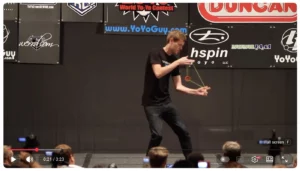
For generations, the yo-yo was a familiar sight on playgrounds, sidewalks, and living rooms. Children practiced basic tricks, challenged friends, and competed informally to see who could perform the most impressive moves.
But behind those casual contests was the foundation of something much larger.
Over time, yo-yoing evolved from a childhood pastime into a structured competitive discipline with international events, professional performers, dedicated training, and a global community of athletes and creators.
The journey from playground challenge to championship stage reveals how a simple toy became a serious platform for skill, creativity, and performance.
The Early Spirit of Competition
Competition has always been part of yo-yo culture.
Even before formal tournaments existed, players naturally challenged each other.
A child learning a new trick wanted to show friends. A skilled player wanted to demonstrate greater control. Groups created their own informal contests based on creativity, difficulty, or speed.
These early challenges helped establish an important part of yo-yo culture:
The desire to improve by learning from others.
Competition encouraged players to push beyond basic tricks and explore new possibilities.
The Trick Challenge Era
During the major waves of yo-yo popularity, competitions often focused on traditional tricks.
Players were judged on their ability to perform recognized techniques such as:
- Precision throws
- Looping patterns
- String tricks
- Creative combinations
- Consistent execution
These contests helped popularize yo-yo skills and gave young players goals to work toward.
A beginner could learn a trick from a friend, practice it repeatedly, and eventually compete with others.
The process created a natural progression:
Learn.
Practice.
Improve.
Perform.
The Transition From Toy to Skill Discipline

As players became more advanced, the level of yo-yo performance changed dramatically.
The focus moved away from simply completing tricks and toward creating complete routines.
Players began developing:
- Longer combinations
- Original techniques
- Performance styles
- Choreographed sequences
This shift changed the identity of competitive yo-yoing.
It was no longer just about who could perform the hardest individual trick.
It became about who could create the most impressive overall performance.
The Influence of Freestyle Performance
The rise of freestyle was one of the most important developments in competitive yo-yo history.
Freestyle allowed players to combine technical skill with creativity and presentation.
A modern routine could include:
- Carefully selected music
- Planned choreography
- Dramatic moments
- Original tricks
- Personal expression
The stage became a place where players could showcase their personality.
A championship performance was no longer simply a demonstration of ability—it was a creative production.
The Growth of Organized Tournaments
As competitive yo-yoing developed, organized tournaments created a global structure for players to compete.
These events brought together:
- Beginners
- Experienced competitors
- Professional performers
- Designers
- Fans
Tournaments became places where the community could celebrate innovation and recognize outstanding talent.
They also helped establish shared standards for judging performance and comparing skills.
The Modern Competition Format
Today’s competitive yo-yo events combine athletic precision with artistic performance.
Different styles highlight different approaches to the craft.
Technical Mastery
Players demonstrate complex tricks requiring accuracy, control, and advanced understanding of yo-yo mechanics.
Freestyle Performance
Competitors perform choreographed routines that combine tricks with music and presentation.
Creativity and Originality
Judges and audiences value unique ideas that push the boundaries of what is possible.
Consistency Under Pressure
Performing difficult routines on stage requires focus and preparation.
The modern competitor must be both a technician and an entertainer.
Training Like an Athlete
Professional yo-yo players often train with the same dedication seen in other competitive disciplines.
Practice sessions may involve:
- Repeating difficult sections
- Improving timing
- Developing new tricks
- Studying performance footage
- Refining stage presence
Advanced players spend countless hours improving small details.
A trick that lasts only a few seconds may require weeks or months of practice.
The difference between a good performance and a championship-level performance often comes down to precision.
The Evolution of Yo-Yo Equipment
Competitive yo-yoing has also influenced the development of modern yo-yo design.
Players require equipment that supports increasingly complex techniques.
Modern competition yo-yos often feature:
- Precision engineering
- Advanced materials
- Optimized weight distribution
- Long spin times
- Stable performance
Manufacturers work closely with players to create designs that meet the demands of modern competition.
The relationship between competitors and designers has helped push yo-yo technology forward.
The Role of the Global Community

Competitive yo-yoing grew because of passionate communities that supported learning and creativity.
Players connect through:
- Local clubs
- Online communities
- Workshops
- Competitions
- Social media
These communities help new players enter the hobby while allowing experienced players to share knowledge.
A beginner watching a championship performance today can immediately access tutorials, discussions, and resources to begin their own journey.
The Rise of Professional Yo-Yo Players
As competitions became more established, some players developed careers around yo-yoing.
Professional players may work as:
- Competitors
- Performers
- Teachers
- Designers
- Brand ambassadors
- Content creators
Their work has helped change public perception of what yo-yoing can become.
They demonstrate that mastery of a simple object can become a serious creative pursuit.
Why Competitive Yo-Yo Matters
Competitive yo-yoing is about more than winning trophies.
It represents the continued evolution of the activity itself.
Competitions encourage:
- Innovation
- Collaboration
- Skill development
- Creativity
- Community growth
Every new generation of players builds on the ideas of those who came before.
A trick created by one competitor may inspire thousands of new variations around the world.
The Future of Championship Yo-Yo
Competitive yo-yoing continues to evolve as players experiment with new techniques, styles, and performance concepts.
Future competitions may continue expanding through:
- Digital platforms
- New judging approaches
- International participation
- Creative performance formats
The foundation remains the same: players using skill and imagination to create something extraordinary with a simple object.
From Playground Challenge to Global Stage
The rise of competitive yo-yo proves that great ideas can grow far beyond their original purpose.
What began as children challenging each other on playgrounds has become an international culture of performance, creativity, and excellence.
The championship stage did not replace the joy of casual play—it grew from it.
Every professional competitor was once a beginner learning their first trick. Every complex freestyle routine began with a simple throw.
That connection is what makes competitive yo-yo special.
It represents the endless possibility hidden inside a simple object: the chance for anyone to pick up a yo-yo, practice, create, and become part of a global tradition built around movement.
