
Blog
From Toy to Culture: How the Yo-Yo Became a Global Language of Movement
For generations, the yo-yo has been one of the simplest toys in the world: two discs connected by an axle, a string wrapped around the

For generations, the yo-yo has been one of the simplest toys in the world: two discs connected by an axle, a string wrapped around the
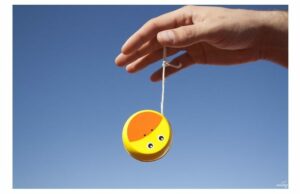
Few toys have created a cultural moment quite like the yo-yo. At first glance, it was a simple object: two rounded halves connected by an
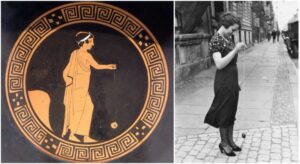
Few objects have achieved the unusual combination of simplicity, accessibility, and cultural influence that defines the yo-yo. At first glance, it appears to be nothing
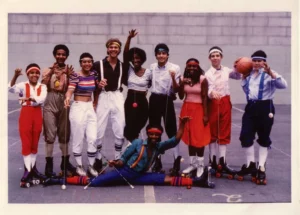
For much of its history, the yo-yo was viewed as a simple skill toy. Players learned classic tricks, practiced techniques, and competed to see who
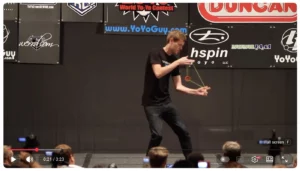
For generations, the yo-yo was a familiar sight on playgrounds, sidewalks, and living rooms. Children practiced basic tricks, challenged friends, and competed informally to see
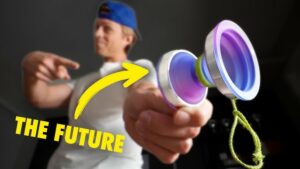
A yo-yo may be small enough to fit in a pocket, but the culture surrounding it stretches across the world. Behind every trick, competition routine,

For much of its history, the yo-yo carried a familiar image: a childhood toy, a playground activity, or a simple skill challenge passed between generations.

The yo-yo has always been a simple idea: two connected halves, a string, and the laws of physics working together through human skill. For thousands

The yo-yo may be powered by a player’s hand, but the evolution of yo-yo culture has been shaped by the people and companies behind the
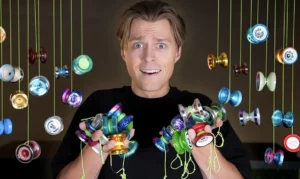
Some toys disappear with time. They belong to a specific generation, a specific trend, or a specific moment in popular culture. The yo-yo is different.