Few objects have achieved the unusual combination of simplicity, accessibility, and cultural influence that defines the yo-yo. At first glance, it appears to be nothing more than two connected discs and a string. Yet this small invention has traveled through centuries, crossed continents, inspired competitions, created communities, and become a symbol of creativity and skill.
The yo-yo’s rise to fame was not simply the result of clever marketing or childhood nostalgia. Its success came from a unique combination of design, human curiosity, performance, and the universal appeal of mastering movement.
Behind every spin, trick, and competition routine is a much deeper story: the story of how a pocket-sized object became a global cultural phenomenon.
The Simple Idea That Lasted for Centuries
The brilliance of the yo-yo lies in its simplicity.
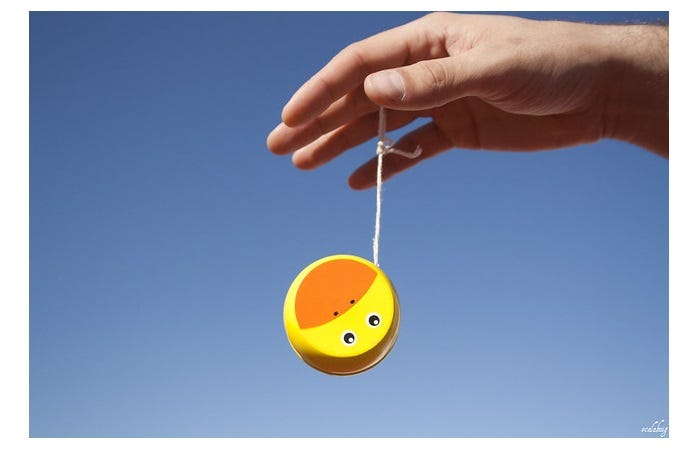
The basic concept requires only a few elements:
- Two weighted halves
- A central axle
- A string
- A person controlling the motion
Despite its straightforward design, the yo-yo creates endless possibilities. The same object can be used for casual play, technical practice, artistic performance, and competitive achievement.
This balance between simplicity and depth is one of the main reasons the yo-yo has survived for generations.
Many toys provide entertainment for a short time. The yo-yo creates a challenge that grows with the player.
A beginner learns to make it spin.
An experienced player learns to make it dance.
An expert transforms it into a performance.
Ancient Roots and Early Fascination
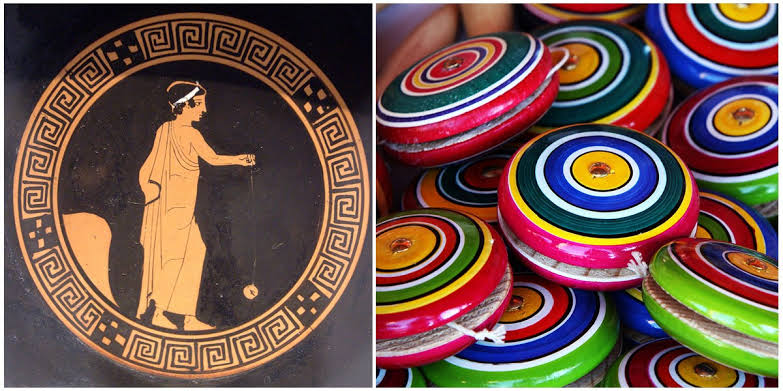
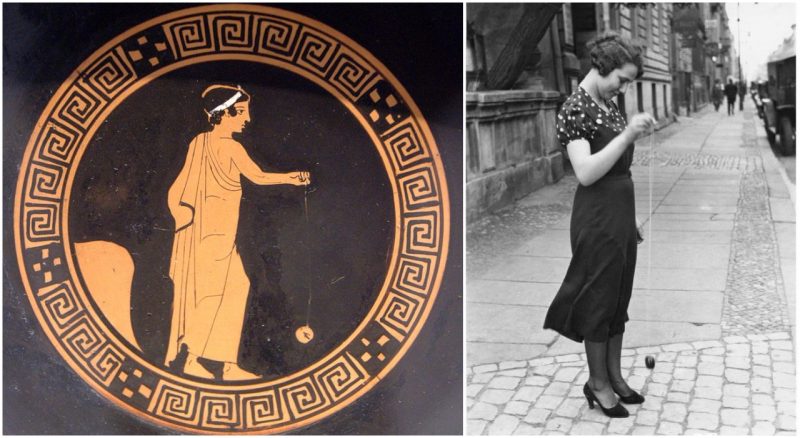
The history of the yo-yo stretches back thousands of years, with early versions appearing in ancient cultures.
While the exact origins of the object remain debated, historical examples show that humans have long enjoyed manipulating objects through controlled motion.
Early yo-yo-like devices demonstrated several timeless human interests:
- Skill development
- Competition
- Entertainment
- Craftsmanship
- Physical coordination
The appeal was universal because it required no complicated explanation.
Anyone could understand the basic idea immediately: make the object move, control it, and discover what else it can do.
How a Traditional Object Became a Modern Toy
For centuries, yo-yo-like objects existed in different forms, but their transformation into a modern toy required changes in manufacturing and distribution.
As production methods improved, manufacturers could create more consistent and affordable designs.
This allowed the yo-yo to move from a curiosity into an everyday object.
Several factors helped drive its popularity:
- Lower production costs
- Improved durability
- Attractive designs
- Mass distribution
- Increased promotion
The yo-yo became something children could easily own, practice with, and share with friends.
Its social nature helped it spread quickly.
The Power of Performance
One of the secrets behind the yo-yo’s popularity was that it was never just about the object itself.
The real attraction was what people could do with it.
A simple trick could become a performance.
A performance could become a competition.
A competition could inspire an entire community.
Skilled players demonstrated that the yo-yo was capable of far more than basic movements. They introduced audiences to increasingly complex techniques involving:
- String manipulation
- Precision timing
- Creative combinations
- Flow and rhythm
- Visual storytelling
The player became part of the invention.
Advertising Turned Tricks Into a Movement
The yo-yo’s explosion in popularity was closely connected to the rise of organized promotion and advertising.
Companies recognized that they were not only selling a product—they were selling imagination.
Marketing campaigns highlighted:
- Exciting demonstrations
- Professional performers
- Trick challenges
- Community events
- The joy of learning
The idea was powerful: anyone could pick up a yo-yo and become part of something bigger.
Advertising transformed the yo-yo from a simple toy into an experience.
The Era of the Yo-Yo Craze
At various points throughout the 20th century, the yo-yo experienced waves of massive popularity.
These moments were driven by a combination of:
- Strong branding
- Public demonstrations
- School programs
- Competitions
- Media attention
The yo-yo became a shared cultural experience.
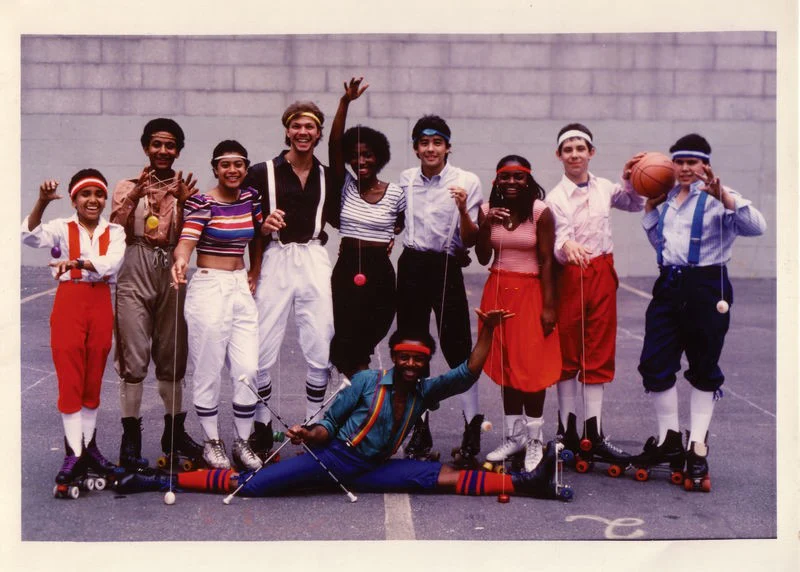
Children traded tricks with friends. Players practiced for hours. Communities formed around local events and demonstrations.
The toy created connections between people who might otherwise never have interacted.
From Playground Challenge to Serious Skill
As more people experimented with yo-yos, the level of creativity increased.
Players began developing new techniques that pushed the boundaries of what seemed possible.
The yo-yo became a platform for personal expression.
Advanced players focused on:
- Original trick creation
- Smooth transitions
- Unique styles
- Performance presentation
This creative evolution changed how people viewed the yo-yo.
It was no longer simply a toy that required practice.
It was a tool for artistic expression.
The Birth of Competitive Yo-Yo Culture
The growth of organized competitions gave yo-yo players a new way to showcase their abilities.
Competitive yo-yoing introduced structure, allowing players to compare skills and develop new standards of excellence.
Competitions celebrate:
- Technical difficulty
- Creativity
- Presentation
- Precision
- Innovation
Modern freestyle performances combine athletic skill with artistic choices, often featuring carefully planned routines set to music.
The result is something closer to a performance discipline than a traditional toy demonstration.
Innovation Changed the Modern Yo-Yo

The modern yo-yo has evolved dramatically from earlier designs.
Manufacturers and players have experimented with:
- New materials
- Advanced bearings
- Precision manufacturing
- Specialized shapes
- Performance-focused designs
Different designs allow players to achieve different styles of play.
Some prioritize speed.
Others emphasize stability.
Some are designed for complex string tricks.
The evolution of yo-yo design reflects the creativity of the community itself.
Every improvement creates new possibilities.
The Community Behind the Culture
A major reason the yo-yo continues to thrive is the passionate community surrounding it.
Players connect through:
- Local clubs
- Online groups
- Competitions
- Tutorials
- Events
- Social platforms
These communities help preserve knowledge while encouraging innovation.
Experienced players teach beginners.
New players introduce fresh ideas.
Designers create tools inspired by player feedback.
The yo-yo culture grows because it is constantly being rebuilt by the people involved.
Why the Yo-Yo Captures Human Imagination
The yo-yo succeeds because it represents a universal experience: learning something difficult and improving through practice.
It teaches lessons that extend beyond the toy itself:
- Patience
- Focus
- Creativity
- Problem-solving
- Persistence
The first successful trick feels like an achievement.
The hundredth new trick feels like discovery.
The journey never truly ends because there is always another possibility to explore.
A Small Object With a Big Legacy
The history of the yo-yo is a reminder that cultural impact does not always come from complexity.
The yo-yo has no screen, no battery, and no complicated technology. Its power comes from the relationship between the object and the person using it.
For generations, it has transformed ordinary moments into opportunities for creativity and connection.
From ancient origins to modern competitions, from playgrounds to global stages, the yo-yo has remained a symbol of movement, imagination, and human expression.
More than a toy, the yo-yo is a piece of living history—one that continues to spin, evolve, and inspire new generations of creators around the world.