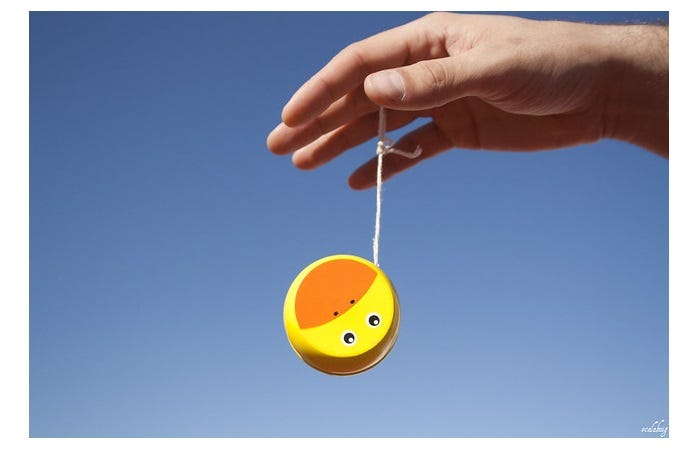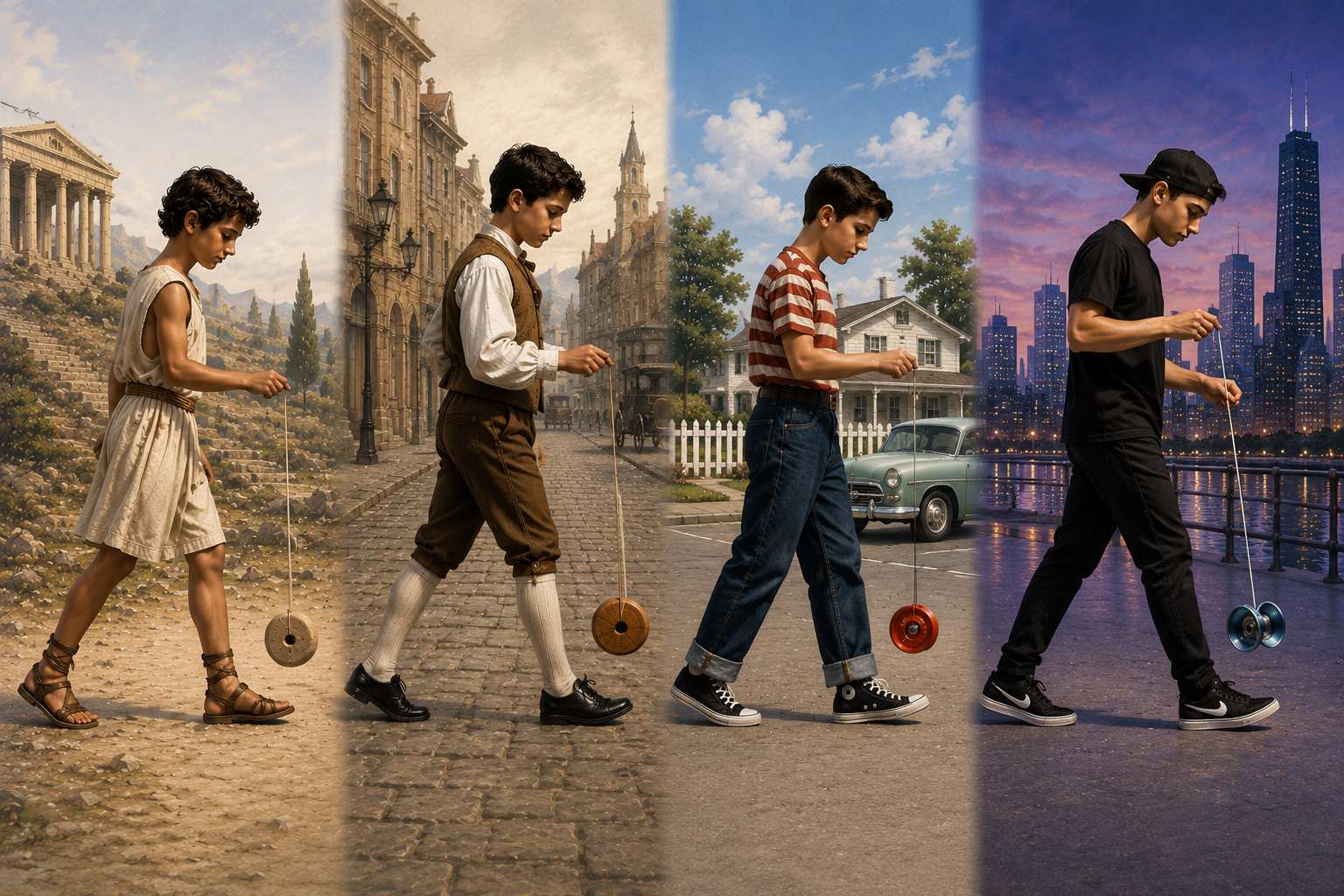
For generations, the yo-yo has been one of the simplest toys in the world: two discs connected by an axle, a string wrapped around the center, and a hand controlling the movement. Yet behind this simple design lies a remarkable story of creativity, competition, craftsmanship, and cultural evolution.
What began as an ancient object used for play, skill, and entertainment has transformed into a global phenomenon. Today, the yo-yo is not only a childhood pastime but also a competitive sport, a form of performance art, a collector’s passion, and a creative language shared by people around the world.
The history of the yo-yo is ultimately the history of movement itself—the endless human desire to master objects, create new tricks, and express individuality through skill.
The Ancient Origins of the Yo-Yo
The yo-yo has one of the longest histories of any modern toy.
Early versions of yo-yo-like objects appeared thousands of years ago, with examples found in ancient civilizations. These early devices were made from materials such as wood, metal, and terracotta, showing that humans have long been fascinated by objects that combine motion and control.
Although the exact origins of the yo-yo are debated, ancient examples demonstrate that the basic concept has remained surprisingly consistent:
- A weighted object connected to a string
- Controlled movement through hand motion
- Repeated cycles of falling and returning
- A balance between physics and skill
The appeal was universal. A yo-yo created a direct connection between the user and the object, turning simple mechanics into a form of personal expression.
From Historical Object to Popular Toy
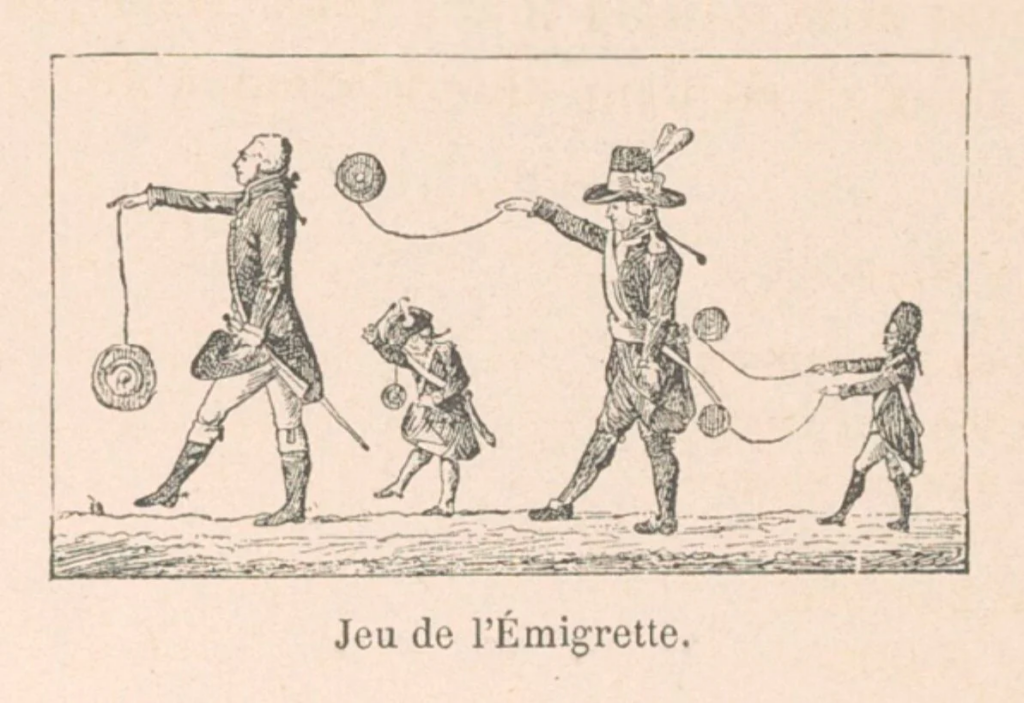
For much of history, the yo-yo existed in different forms across cultures. It was used as a toy, a skill-based activity, and sometimes even as a demonstration of dexterity.
The modern yo-yo began taking shape when manufacturers refined the design and introduced it to wider audiences.
Changes in manufacturing allowed yo-yos to become:
- More affordable
- Easier to produce
- More consistent in performance
- Accessible to children and adults alike
As production improved, the yo-yo shifted from a rare curiosity into a widely recognized toy.
Its popularity grew because it offered something unique: a toy that anyone could start using immediately but could spend a lifetime mastering.
The Golden Age of the Yo-Yo
The 20th century brought a major transformation in yo-yo culture.
The yo-yo became a powerful example of how branding, advertising, and entertainment could turn a simple object into a worldwide craze.
Companies began promoting the yo-yo through:
- Demonstrations
- Competitions
- School events
- Advertising campaigns
- Traveling performers
The yo-yo was no longer just a toy—it became an experience.
Children were encouraged to learn tricks, participate in contests, and collect different designs. The excitement surrounding yo-yos created communities of players who shared techniques and challenged each other.
The Rise of Yo-Yo Tricks and Creative Expression
The true evolution of the yo-yo came when players moved beyond basic up-and-down motion.
Simple tricks developed into increasingly creative performances involving:
- Complex string movements
- Precision timing
- Balance
- Geometry
- Rhythm
- Flow
Players began treating the yo-yo as an extension of their own movement.
A trick was no longer just a demonstration of skill—it became a form of personal style.
Two people could perform the same basic technique but make it feel completely different through timing, creativity, and presentation.
This shift transformed yo-yoing from a game into an art form.
The Yo-Yo as a Competitive Sport
As trick complexity increased, organized competition became a natural next step.
Modern yo-yo competitions brought together players from around the world to showcase their abilities and creativity.
Competitive yo-yoing introduced structured categories that highlighted different styles, including:
Technical Precision
Players demonstrate difficult combinations requiring accuracy and control.
Freestyle Performance
Competitors perform choreographed routines set to music, combining tricks with creativity and presentation.
Speed and Difficulty
Some events emphasize rapid execution and technical complexity.
Competition changed the perception of the yo-yo. It showed audiences that the object was not limited to simple entertainment—it could support serious athletic and artistic achievement.
The Evolution of Yo-Yo Design
The modern yo-yo is a product of continuous experimentation.
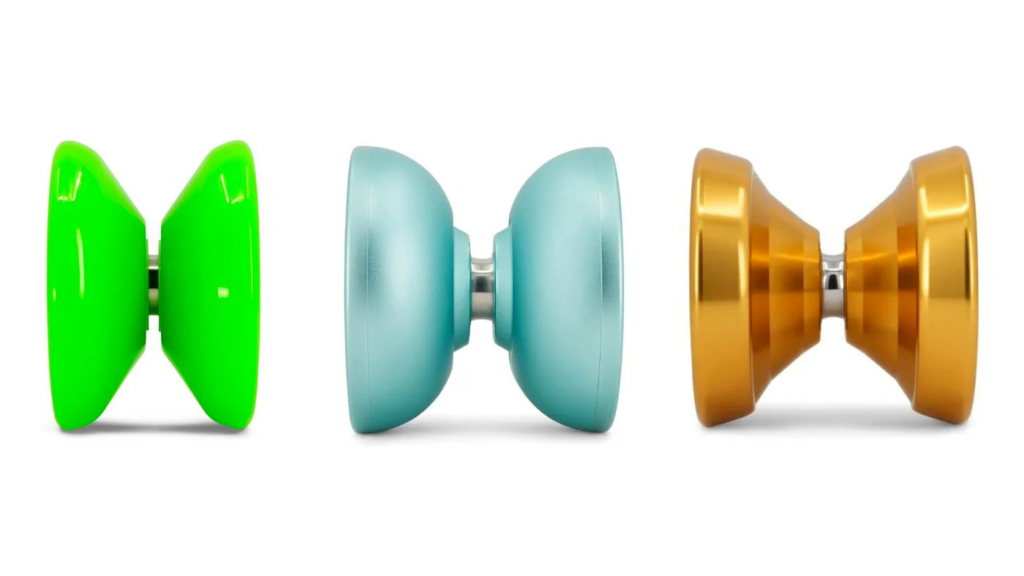
Traditional wooden designs have evolved into highly engineered instruments made from advanced materials.
Modern yo-yos may feature:
- Aluminum bodies
- Precision bearings
- Specialized shapes
- Adjustable weight distribution
- Responsive or unresponsive systems
Each design choice affects performance.
Players consider factors such as:
- Spin time
- Stability
- Control
- Speed
- Maneuverability
The yo-yo has become a fascinating example of how a simple object can evolve through technology while maintaining its original spirit.
The Birth of Global Yo-Yo Communities
One of the most important parts of yo-yo culture is the community surrounding it.
Players connect through:
- Local clubs
- Online forums
- Social media
- Competitions
- Workshops
- Demonstrations
These communities allow beginners and experts to share knowledge, discover new techniques, and inspire each other.
Unlike many hobbies that depend on expensive equipment or specialized environments, yo-yoing remains accessible. A single yo-yo can connect people across languages, cultures, and generations.
The movement itself becomes a shared form of communication.
Advertising and the Power of the Yo-Yo Image
The yo-yo has always been closely connected to storytelling and marketing.
Successful yo-yo brands understood that they were not simply selling an object—they were selling creativity, excitement, and possibility.
Advertising often focused on:
- Amazing tricks
- Skilled performers
- The joy of learning
- The challenge of improvement
- The feeling of belonging to a community
The yo-yo became associated with imagination and discovery.
Its cultural impact came not just from the product itself, but from the stories built around it.
The Yo-Yo in Modern Popular Culture
The yo-yo continues to appear in entertainment, media, and creative spaces.
It has been featured as:
- A symbol of nostalgia
- A performance tool
- A collectible object
- A demonstration of skill
- A representation of creativity
Its lasting appeal comes from its unique combination of simplicity and depth.
A beginner can enjoy a basic trick within minutes, while advanced players can spend years exploring new possibilities.
Few objects offer such a wide range of experiences.
Why the Yo-Yo Endures
Many toys disappear as technology changes, but the yo-yo continues to survive because it offers something digital experiences often cannot: direct physical interaction.
The yo-yo requires:
- Practice
- Patience
- Coordination
- Creativity
- Personal expression
Every movement comes from the player.
Every trick reflects individual style.
Every improvement represents personal progress.
This connection between human skill and physical motion is what keeps the yo-yo relevant.
The Future of Yo-Yo Culture
The yo-yo continues to evolve as new generations discover its possibilities.
Future developments may include:
- New materials
- Innovative designs
- More creative competition formats
- Expanded online communities
- New forms of performance
But the foundation remains unchanged.
A person holds a string, controls a spinning object, and creates movement.
That simple interaction continues to inspire creativity around the world.
More Than a Toy: A Universal Language of Movement
The journey of the yo-yo from ancient object to modern cultural phenomenon shows how powerful simple ideas can become.
What began as a basic spinning toy has grown into a global language of movement—one spoken through tricks, performances, competitions, and shared creativity.
The yo-yo represents something timeless: the human desire to learn, experiment, and transform ordinary objects into extraordinary experiences.
It is a reminder that culture is not always created through technology, complexity, or scale. Sometimes it begins with a piece of string, two discs, and someone curious enough to see what is possible.