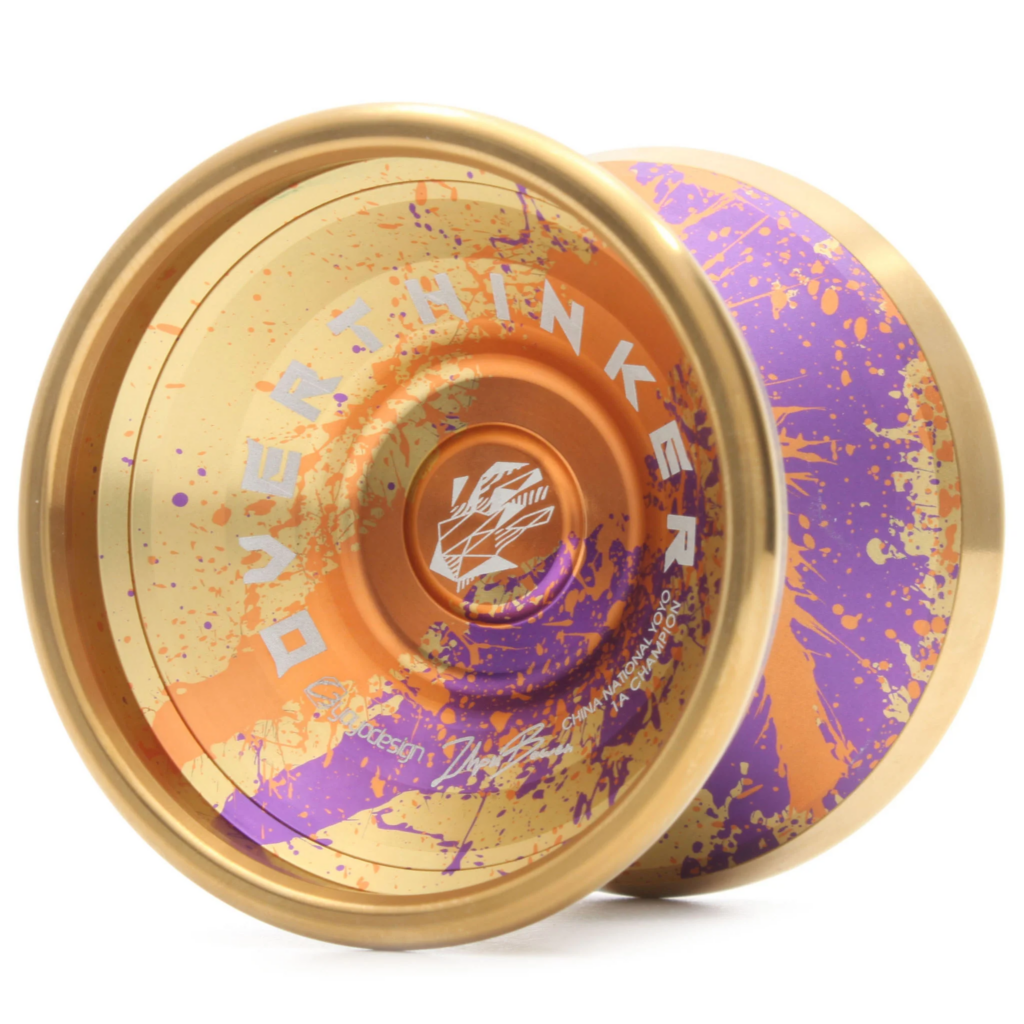
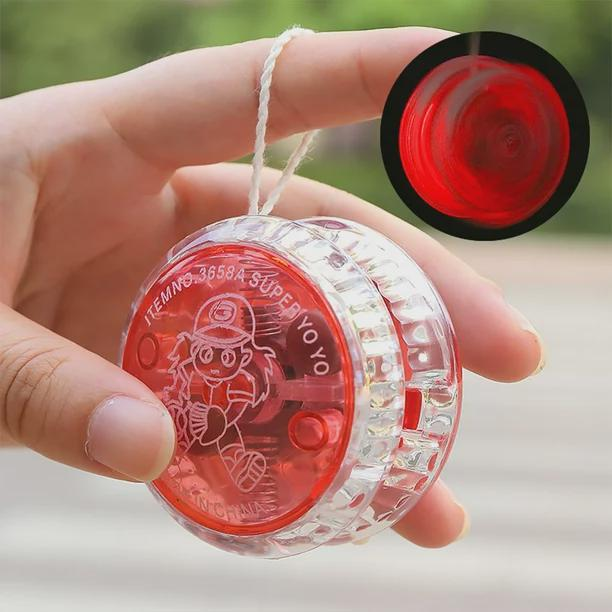
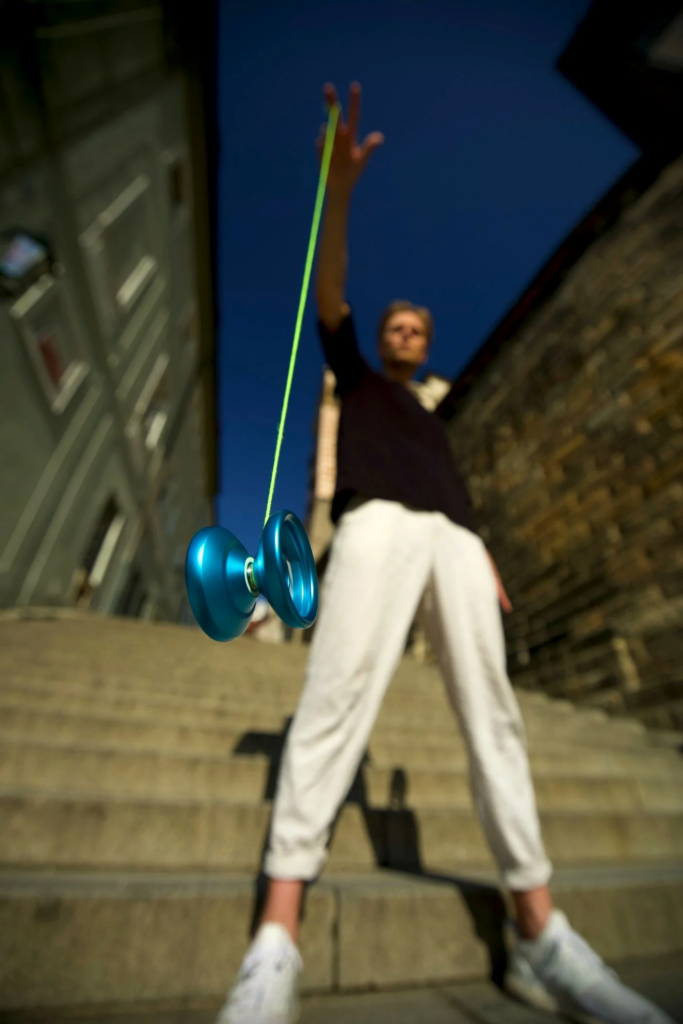
From Toy to Culture: How the Yo-Yo Became a Global Language of Movement

For generations, the yo-yo has been one of the simplest toys in the world: two discs connected by an axle, a string wrapped around the center, and a hand controlling the movement. Yet behind this simple design lies a remarkable story of creativity, competition, craftsmanship, and cultural evolution.

What began as an ancient object used for play, skill, and entertainment has transformed into a global phenomenon. Today, the yo-yo is not only a childhood pastime but also a competitive sport, a form of performance art, a collector’s passion, and a creative language shared by people around the world.

The history of the yo-yo is ultimately the history of movement itself—the endless human desire to master objects, create new tricks, and express individuality through skill.

The Ancient Origins of the Yo-Yo

The yo-yo has one of the longest histories of any modern toy.

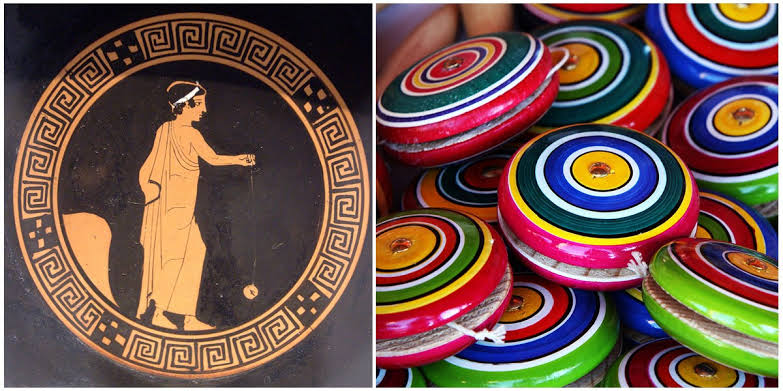
Early versions of yo-yo-like objects appeared thousands of years ago, with examples found in ancient civilizations. These early devices were made from materials such as wood, metal, and terracotta, showing that humans have long been fascinated by objects that combine motion and control.

Although the exact origins of the yo-yo are debated, ancient examples demonstrate that the basic concept has remained surprisingly consistent:

  • A weighted object connected to a string
  • Controlled movement through hand motion
  • Repeated cycles of falling and returning
  • A balance between physics and skill

The appeal was universal. A yo-yo created a direct connection between the user and the object, turning simple mechanics into a form of personal expression.

From Historical Object to Popular Toy
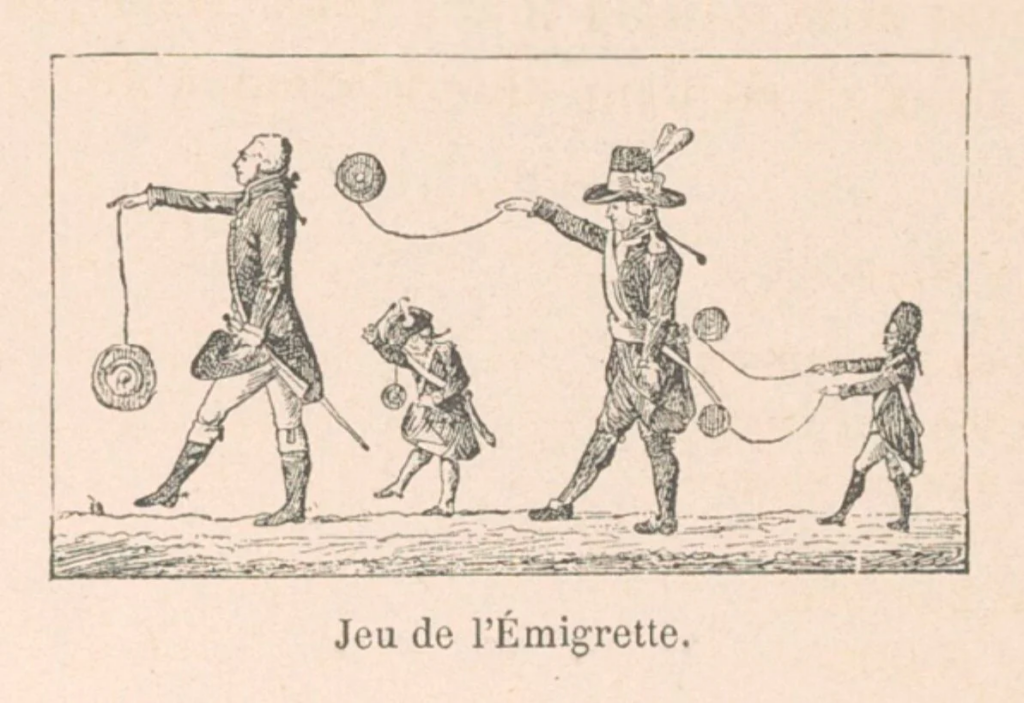
For much of history, the yo-yo existed in different forms across cultures. It was used as a toy, a skill-based activity, and sometimes even as a demonstration of dexterity.

The modern yo-yo began taking shape when manufacturers refined the design and introduced it to wider audiences.

Changes in manufacturing allowed yo-yos to become:

  • More affordable
  • Easier to produce
  • More consistent in performance
  • Accessible to children and adults alike

As production improved, the yo-yo shifted from a rare curiosity into a widely recognized toy.

Its popularity grew because it offered something unique: a toy that anyone could start using immediately but could spend a lifetime mastering.

The Golden Age of the Yo-Yo

The 20th century brought a major transformation in yo-yo culture.

The yo-yo became a powerful example of how branding, advertising, and entertainment could turn a simple object into a worldwide craze.

Companies began promoting the yo-yo through:

  • Demonstrations
  • Competitions
  • School events
  • Advertising campaigns
  • Traveling performers

The yo-yo was no longer just a toy—it became an experience.

Children were encouraged to learn tricks, participate in contests, and collect different designs. The excitement surrounding yo-yos created communities of players who shared techniques and challenged each other.

The Rise of Yo-Yo Tricks and Creative Expression

The true evolution of the yo-yo came when players moved beyond basic up-and-down motion.

Simple tricks developed into increasingly creative performances involving:

  • Complex string movements
  • Precision timing
  • Balance
  • Geometry
  • Rhythm
  • Flow

Players began treating the yo-yo as an extension of their own movement.

A trick was no longer just a demonstration of skill—it became a form of personal style.

Two people could perform the same basic technique but make it feel completely different through timing, creativity, and presentation.

This shift transformed yo-yoing from a game into an art form.

The Yo-Yo as a Competitive Sport

As trick complexity increased, organized competition became a natural next step.

Modern yo-yo competitions brought together players from around the world to showcase their abilities and creativity.

Competitive yo-yoing introduced structured categories that highlighted different styles, including:

Technical Precision

Players demonstrate difficult combinations requiring accuracy and control.

Freestyle Performance

Competitors perform choreographed routines set to music, combining tricks with creativity and presentation.

Speed and Difficulty

Some events emphasize rapid execution and technical complexity.

Competition changed the perception of the yo-yo. It showed audiences that the object was not limited to simple entertainment—it could support serious athletic and artistic achievement.

The Evolution of Yo-Yo Design

The modern yo-yo is a product of continuous experimentation.

Traditional wooden designs have evolved into highly engineered instruments made from advanced materials.

Modern yo-yos may feature:

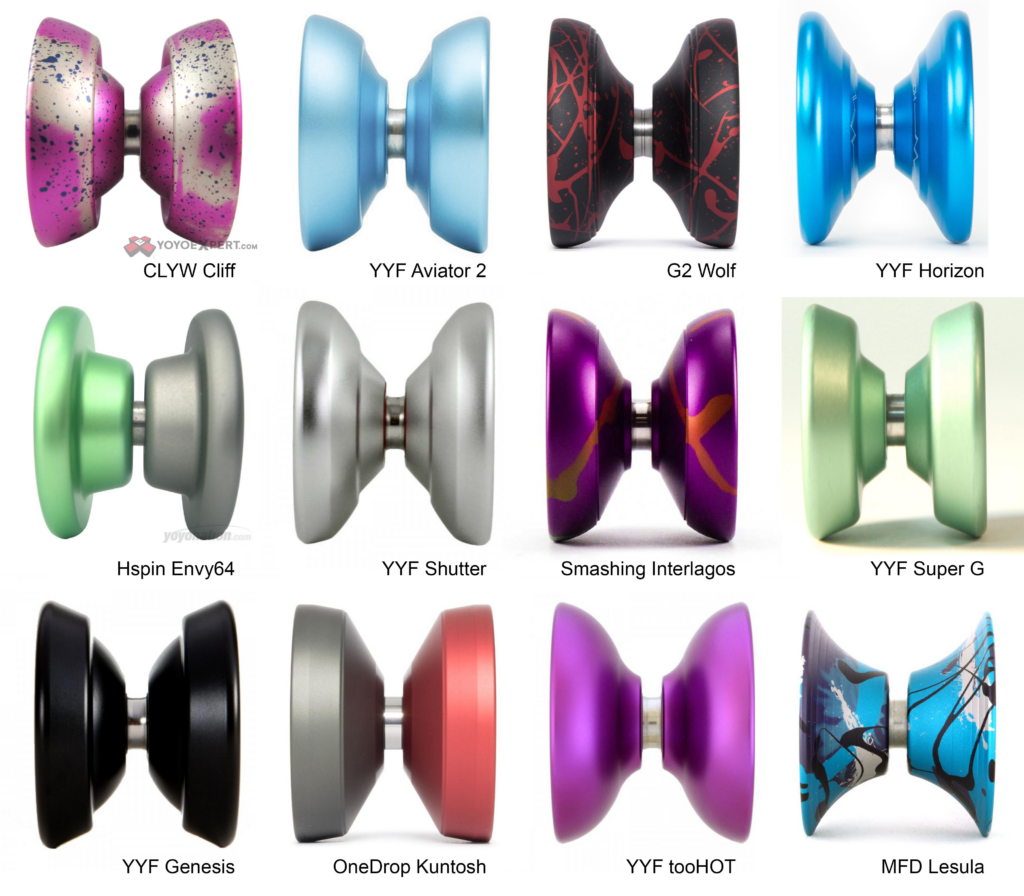
  • Aluminum bodies
  • Precision bearings
  • Specialized shapes
  • Adjustable weight distribution
  • Responsive or unresponsive systems

Each design choice affects performance.

Players consider factors such as:

  • Spin time
  • Stability
  • Control
  • Speed
  • Maneuverability

The yo-yo has become a fascinating example of how a simple object can evolve through technology while maintaining its original spirit.

The Birth of Global Yo-Yo Communities

One of the most important parts of yo-yo culture is the community surrounding it.

Players connect through:

  • Local clubs
  • Online forums
  • Social media
  • Competitions
  • Workshops
  • Demonstrations

These communities allow beginners and experts to share knowledge, discover new techniques, and inspire each other.

Unlike many hobbies that depend on expensive equipment or specialized environments, yo-yoing remains accessible. A single yo-yo can connect people across languages, cultures, and generations.

The movement itself becomes a shared form of communication.

Advertising and the Power of the Yo-Yo Image
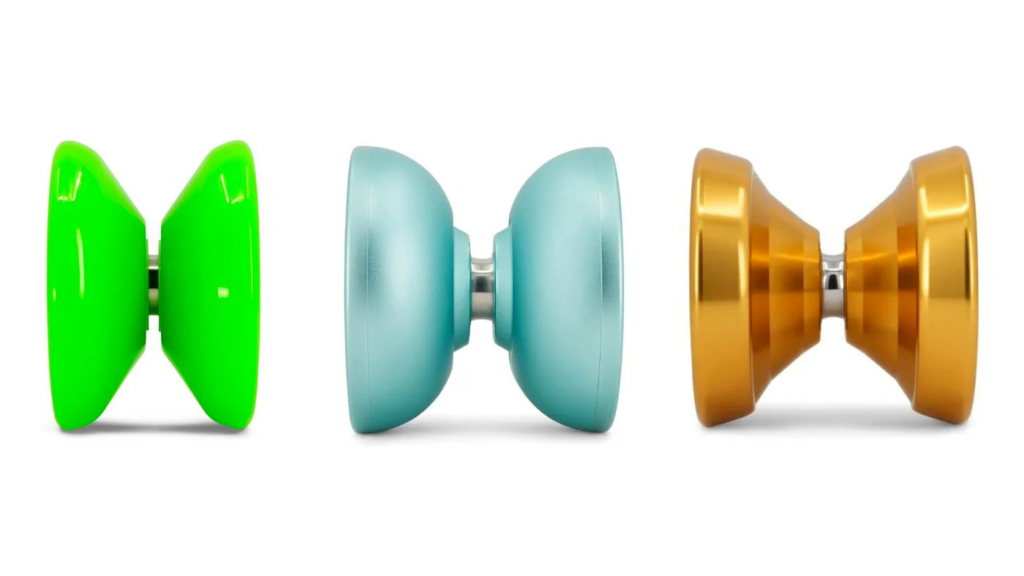
The yo-yo has always been closely connected to storytelling and marketing.

Successful yo-yo brands understood that they were not simply selling an object—they were selling creativity, excitement, and possibility.

Advertising often focused on:

  • Amazing tricks
  • Skilled performers
  • The joy of learning
  • The challenge of improvement
  • The feeling of belonging to a community

The yo-yo became associated with imagination and discovery.

Its cultural impact came not just from the product itself, but from the stories built around it.

The Yo-Yo in Modern Popular Culture

The yo-yo continues to appear in entertainment, media, and creative spaces.

It has been featured as:

  • A symbol of nostalgia
  • A performance tool
  • A collectible object
  • A demonstration of skill
  • A representation of creativity

Its lasting appeal comes from its unique combination of simplicity and depth.

A beginner can enjoy a basic trick within minutes, while advanced players can spend years exploring new possibilities.

Few objects offer such a wide range of experiences.

Why the Yo-Yo Endures

Many toys disappear as technology changes, but the yo-yo continues to survive because it offers something digital experiences often cannot: direct physical interaction.

The yo-yo requires:

  • Practice
  • Patience
  • Coordination
  • Creativity
  • Personal expression

Every movement comes from the player.

Every trick reflects individual style.

Every improvement represents personal progress.

This connection between human skill and physical motion is what keeps the yo-yo relevant.

The Future of Yo-Yo Culture

The yo-yo continues to evolve as new generations discover its possibilities.

Future developments may include:

  • New materials
  • Innovative designs
  • More creative competition formats
  • Expanded online communities
  • New forms of performance

But the foundation remains unchanged.

A person holds a string, controls a spinning object, and creates movement.

That simple interaction continues to inspire creativity around the world.

More Than a Toy: A Universal Language of Movement

The journey of the yo-yo from ancient object to modern cultural phenomenon shows how powerful simple ideas can become.

What began as a basic spinning toy has grown into a global language of movement—one spoken through tricks, performances, competitions, and shared creativity.

The yo-yo represents something timeless: the human desire to learn, experiment, and transform ordinary objects into extraordinary experiences.

It is a reminder that culture is not always created through technology, complexity, or scale. Sometimes it begins with a piece of string, two discs, and someone curious enough to see what is possible.

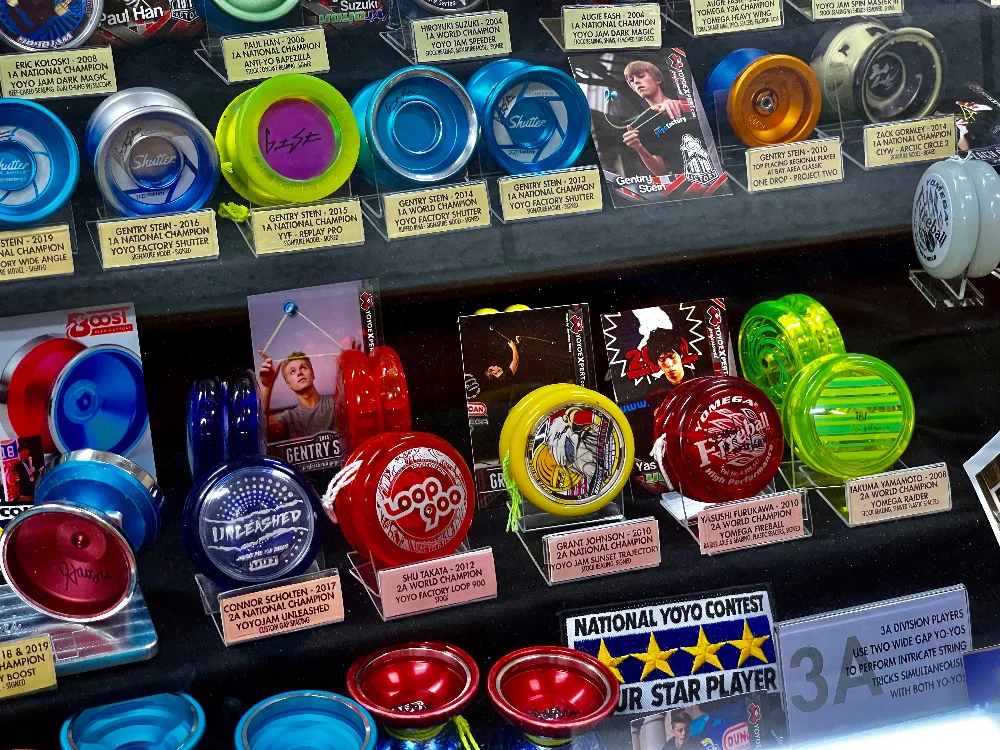
The Golden Age of the Yo-Yo: When America Fell in Love with Spinning Strings

Few toys have created a cultural moment quite like the yo-yo. At first glance, it was a simple object: two rounded halves connected by an axle, a string wrapped around the center, and a player using gravity, timing, and skill to bring it to life. Yet during the height of its popularity, the yo-yo became far more than a toy.

It became a national obsession.

Across America, children gathered in schoolyards to practice tricks, families watched demonstrations, companies built entire marketing campaigns around the excitement of spinning strings, and talented performers turned simple movements into unforgettable shows.

The golden age of the yo-yo was a time when a pocket-sized invention captured the imagination of millions and proved that a simple idea could become a powerful cultural phenomenon.

The Perfect Toy for a Changing America

The rise of the yo-yo came during a period when American culture was rapidly changing.

As mass production expanded and consumer products became more accessible, toys were no longer just handmade objects passed between generations. Companies began creating products designed for national audiences.

The yo-yo was perfectly suited for this new era.

It offered several advantages:

  • Affordable production
  • Easy transportation
  • Simple instructions
  • Endless opportunities for skill development
  • Strong visual appeal

Unlike many toys that required batteries, special equipment, or large spaces, the yo-yo could fit in a pocket and be played almost anywhere.

A child could begin with a simple up-and-down motion and gradually discover an entire world of tricks.

The Rise of Yo-Yo Companies and Big Branding

The golden age of the yo-yo was closely connected to the rise of professional toy companies that understood the power of branding.

Manufacturers realized they were not simply selling a product. They were selling excitement, identity, and participation in a larger movement.

Successful yo-yo brands focused on:

  • Eye-catching designs
  • Memorable names
  • Professional demonstrations
  • Trick instruction
  • Community events

The yo-yo became a product with a personality.

Instead of being just another toy on a shelf, it became something children wanted to collect, master, and show to others.

How Advertising Created a Yo-Yo Craze

Advertising played a major role in transforming the yo-yo from a simple toy into a cultural event.

Companies promoted yo-yos through energetic campaigns that emphasized action and skill.

Advertisements often featured:

  • Expert players performing impressive tricks
  • Excited children learning new techniques
  • Challenges and competitions
  • Messages about practice and improvement

The key idea was powerful:

Anyone could become a yo-yo expert with enough practice.

This message made the toy feel interactive and personal.

A yo-yo was not something you simply owned—it was something you developed a relationship with.

The Traveling Yo-Yo Demonstrator

One of the most important parts of the yo-yo’s popularity was the live demonstration.

Professional yo-yo performers traveled to schools, stores, fairs, and community events to showcase advanced tricks.

These demonstrations created excitement because audiences could see possibilities they never imagined.

A skilled performer could make a yo-yo:

  • Sleep at the end of the string
  • Travel through complex patterns
  • Perform dramatic movements
  • Appear to defy gravity

For many children, seeing an expert performer was the moment they realized the yo-yo was much more than a basic toy.

The demonstration created inspiration.

The practice created dedication.

The Schoolyard Became the Training Ground

The yo-yo’s popularity grew because it naturally became a social activity.

Children learned from each other by:

  • Sharing tricks
  • Creating challenges
  • Comparing skills
  • Teaching beginners
  • Showing off new techniques

The schoolyard became an informal training environment.

A child who mastered a new trick instantly became someone others wanted to learn from.

This social element helped the yo-yo spread faster than traditional advertising alone could achieve.

The toy created its own community.

The Birth of Yo-Yo Competition Culture

Competition helped transform casual play into a structured activity.

Yo-yo contests encouraged players to improve their skills and gave companies opportunities to create excitement around their products.

Competitions often included categories such as:

  • Trick difficulty
  • Creativity
  • Performance quality
  • Speed
  • Precision

These events gave young players a goal beyond personal improvement.

The yo-yo became a way to challenge others, earn recognition, and develop confidence.

The Yo-Yo as Entertainment

During its golden age, the yo-yo became closely connected with entertainment.

Performers brought energy and personality to their routines, turning tricks into shows.

The best demonstrations combined:

  • Technical skill
  • Humor
  • Storytelling
  • Audience interaction
  • Stage presence

This helped audiences see yo-yoing as a performance rather than just a hobby.

A talented player was not simply demonstrating a toy—they were creating an experience.

Why the Yo-Yo Captured American Imagination

The yo-yo succeeded because it represented something deeply appealing: the satisfaction of improvement.

Unlike many toys that provided entertainment immediately, the yo-yo rewarded effort.

A beginner experienced small victories:

  • Making the yo-yo return
  • Learning a first trick
  • Improving control
  • Creating new combinations

Each achievement created motivation to continue.

The toy offered a simple but powerful message:

Practice creates progress.

That idea connected with generations of children.

Design Innovation During the Yo-Yo Boom

The popularity of yo-yos also encouraged experimentation in design.

Manufacturers developed different styles, shapes, and materials to attract players.

Design changes focused on:

  • Better balance
  • Improved durability
  • More attractive appearances
  • Easier handling
  • Greater trick potential

The yo-yo became both a toy and a piece of design innovation.

Collectors began appreciating unique models, while players searched for designs that helped them perform better.

The Role of Nostalgia and Generational Connection

One reason the yo-yo has remained culturally important is its ability to connect generations.

Parents who played with yo-yos introduced them to their children.

Older players shared classic tricks with younger beginners.

The same basic object could create memories across decades.

The yo-yo became more than entertainment—it became a shared experience.

The End of the Golden Age and the Start of a New Era

Like many cultural trends, the first major yo-yo boom eventually faded.

New toys, changing entertainment habits, and evolving consumer interests shifted attention elsewhere.

However, the yo-yo never disappeared.

Instead, it transformed.

Modern players pushed the boundaries of what was possible, creating advanced freestyle performances, international competitions, and new communities built around creativity and technical skill.

The golden age created the foundation for the modern yo-yo movement.

The Legacy of the Yo-Yo Boom

The golden age of the yo-yo proved that a simple object could become a cultural force.

Through smart advertising, passionate performers, innovative companies, and enthusiastic communities, the yo-yo became one of America’s most recognizable toys.

Its success was not just about selling millions of units.

It was about creating a shared language of movement.

The yo-yo gave people a way to compete, create, connect, and express themselves. It showed that entertainment does not always require complicated technology—sometimes all it takes is a string, a spinning object, and the curiosity to see what is possible.
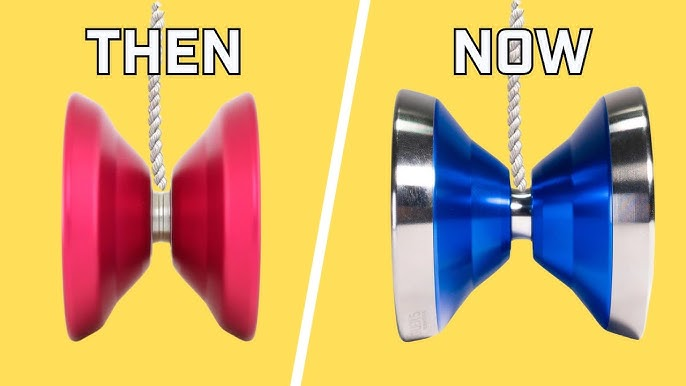
Decades later, the echoes of that golden age continue. Every new player who picks up a yo-yo and attempts their first trick becomes part of the same tradition that captured America’s imagination generations ago.

More Than a Toy: The Hidden History of the Yo-Yo’s Rise to Fame

Few objects have achieved the unusual combination of simplicity, accessibility, and cultural influence that defines the yo-yo. At first glance, it appears to be nothing more than two connected discs and a string. Yet this small invention has traveled through centuries, crossed continents, inspired competitions, created communities, and become a symbol of creativity and skill.

The yo-yo’s rise to fame was not simply the result of clever marketing or childhood nostalgia. Its success came from a unique combination of design, human curiosity, performance, and the universal appeal of mastering movement.

Behind every spin, trick, and competition routine is a much deeper story: the story of how a pocket-sized object became a global cultural phenomenon.

The Simple Idea That Lasted for Centuries

The brilliance of the yo-yo lies in its simplicity.

The basic concept requires only a few elements:

  • Two weighted halves
  • A central axle
  • A string
  • A person controlling the motion

Despite its straightforward design, the yo-yo creates endless possibilities. The same object can be used for casual play, technical practice, artistic performance, and competitive achievement.

This balance between simplicity and depth is one of the main reasons the yo-yo has survived for generations.

Many toys provide entertainment for a short time. The yo-yo creates a challenge that grows with the player.

A beginner learns to make it spin.

An experienced player learns to make it dance.

An expert transforms it into a performance.

Ancient Roots and Early Fascination

The history of the yo-yo stretches back thousands of years, with early versions appearing in ancient cultures.

While the exact origins of the object remain debated, historical examples show that humans have long enjoyed manipulating objects through controlled motion.

Early yo-yo-like devices demonstrated several timeless human interests:

  • Skill development
  • Competition
  • Entertainment
  • Craftsmanship
  • Physical coordination

The appeal was universal because it required no complicated explanation.

Anyone could understand the basic idea immediately: make the object move, control it, and discover what else it can do.

How a Traditional Object Became a Modern Toy

For centuries, yo-yo-like objects existed in different forms, but their transformation into a modern toy required changes in manufacturing and distribution.

As production methods improved, manufacturers could create more consistent and affordable designs.

This allowed the yo-yo to move from a curiosity into an everyday object.

Several factors helped drive its popularity:

  • Lower production costs
  • Improved durability
  • Attractive designs
  • Mass distribution
  • Increased promotion

The yo-yo became something children could easily own, practice with, and share with friends.

Its social nature helped it spread quickly.

The Power of Performance

One of the secrets behind the yo-yo’s popularity was that it was never just about the object itself.

The real attraction was what people could do with it.

A simple trick could become a performance.

A performance could become a competition.

A competition could inspire an entire community.

Skilled players demonstrated that the yo-yo was capable of far more than basic movements. They introduced audiences to increasingly complex techniques involving:

  • String manipulation
  • Precision timing
  • Creative combinations
  • Flow and rhythm
  • Visual storytelling

The player became part of the invention.

Advertising Turned Tricks Into a Movement

The yo-yo’s explosion in popularity was closely connected to the rise of organized promotion and advertising.

Companies recognized that they were not only selling a product—they were selling imagination.

Marketing campaigns highlighted:

  • Exciting demonstrations
  • Professional performers
  • Trick challenges
  • Community events
  • The joy of learning

The idea was powerful: anyone could pick up a yo-yo and become part of something bigger.

Advertising transformed the yo-yo from a simple toy into an experience.

The Era of the Yo-Yo Craze

At various points throughout the 20th century, the yo-yo experienced waves of massive popularity.

These moments were driven by a combination of:

  • Strong branding
  • Public demonstrations
  • School programs
  • Competitions
  • Media attention

The yo-yo became a shared cultural experience.

Children traded tricks with friends. Players practiced for hours. Communities formed around local events and demonstrations.

The toy created connections between people who might otherwise never have interacted.

From Playground Challenge to Serious Skill

As more people experimented with yo-yos, the level of creativity increased.

Players began developing new techniques that pushed the boundaries of what seemed possible.

The yo-yo became a platform for personal expression.

Advanced players focused on:

  • Original trick creation
  • Smooth transitions
  • Unique styles
  • Performance presentation

This creative evolution changed how people viewed the yo-yo.

It was no longer simply a toy that required practice.

It was a tool for artistic expression.

The Birth of Competitive Yo-Yo Culture

The growth of organized competitions gave yo-yo players a new way to showcase their abilities.

Competitive yo-yoing introduced structure, allowing players to compare skills and develop new standards of excellence.

Competitions celebrate:

  • Technical difficulty
  • Creativity
  • Presentation
  • Precision
  • Innovation

Modern freestyle performances combine athletic skill with artistic choices, often featuring carefully planned routines set to music.

The result is something closer to a performance discipline than a traditional toy demonstration.

Innovation Changed the Modern Yo-Yo

The modern yo-yo has evolved dramatically from earlier designs.

Manufacturers and players have experimented with:

  • New materials
  • Advanced bearings
  • Precision manufacturing
  • Specialized shapes
  • Performance-focused designs

Different designs allow players to achieve different styles of play.

Some prioritize speed.

Others emphasize stability.

Some are designed for complex string tricks.

The evolution of yo-yo design reflects the creativity of the community itself.

Every improvement creates new possibilities.

The Community Behind the Culture

A major reason the yo-yo continues to thrive is the passionate community surrounding it.

Players connect through:

  • Local clubs
  • Online groups
  • Competitions
  • Tutorials
  • Events
  • Social platforms

These communities help preserve knowledge while encouraging innovation.

Experienced players teach beginners.

New players introduce fresh ideas.

Designers create tools inspired by player feedback.

The yo-yo culture grows because it is constantly being rebuilt by the people involved.

Why the Yo-Yo Captures Human Imagination

The yo-yo succeeds because it represents a universal experience: learning something difficult and improving through practice.

It teaches lessons that extend beyond the toy itself:

  • Patience
  • Focus
  • Creativity
  • Problem-solving
  • Persistence

The first successful trick feels like an achievement.

The hundredth new trick feels like discovery.

The journey never truly ends because there is always another possibility to explore.

A Small Object With a Big Legacy

The history of the yo-yo is a reminder that cultural impact does not always come from complexity.

The yo-yo has no screen, no battery, and no complicated technology. Its power comes from the relationship between the object and the person using it.

For generations, it has transformed ordinary moments into opportunities for creativity and connection.

From ancient origins to modern competitions, from playgrounds to global stages, the yo-yo has remained a symbol of movement, imagination, and human expression.

More than a toy, the yo-yo is a piece of living history—one that continues to spin, evolve, and inspire new generations of creators around the world.

The Birth of Freestyle: How Yo-Yo Players Became Artists of Movement

For much of its history, the yo-yo was viewed as a simple skill toy. Players learned classic tricks, practiced techniques, and competed to see who could perform the most impressive moves. But over time, something changed.

The goal was no longer just to complete a trick.

Players began creating performances.

They started combining movements into sequences, matching tricks with music, developing personal styles, and transforming the yo-yo into a form of artistic expression. This evolution gave birth to freestyle—a movement that changed how the world understood what a yo-yo could be.

Freestyle turned players into performers, tricks into choreography, and a simple toy into an instrument of creativity.

From Repetition to Innovation

Early yo-yo play focused heavily on learning established tricks.

Players practiced techniques such as:

  • Making the yo-yo sleep
  • Controlling returns
  • Performing looping movements
  • Creating basic string patterns

These skills formed the foundation of yo-yo culture. Learning traditional tricks created a shared language between players and gave beginners a clear path to improvement.

But as more people mastered these techniques, they naturally began experimenting.

A question emerged:

What happens when a player stops repeating tricks and starts creating something new?

That question pushed yo-yoing into a new era.

The Creative Explosion of Modern Tricks

The growth of advanced yo-yo play came from experimentation.

Players began combining existing techniques in unexpected ways and inventing completely new movements. Tricks became more complex, more visual, and more personal.

Instead of simply asking:

“Can this trick be done?”

Players began asking:

“How can I make this my own?”

This creative mindset led to new styles of play involving:

  • Complex string formations
  • Longer combinations
  • Smooth transitions
  • Original movements
  • Individual performance styles

The yo-yo became less like a puzzle with a correct answer and more like a blank canvas.

The Influence of Music and Performance

One of the biggest changes in yo-yo culture was the introduction of music into freestyle performances.

A trick sequence could now become a complete routine.

Players began considering:

  • Rhythm
  • Timing
  • Energy
  • Stage presence
  • Emotional expression

A successful freestyle performance was no longer judged only by technical difficulty.

It was also about how the player connected movements together.

A performer could create a routine that felt fast and exciting, calm and elegant, or dramatic and powerful.

The yo-yo became part of a larger performance experience.

The Yo-Yo as a Physical Art Form

Freestyle changed the way people viewed yo-yoing.

Instead of seeing the yo-yo as a toy with tricks, audiences began recognizing it as a form of movement-based art.

Like dance, freestyle involved:

  • Body control
  • Timing
  • Creativity
  • Expression
  • Practice

The player’s hands became the center of the performance, but the entire body contributed through movement, posture, and presentation.

A great freestyle routine told a story without words.

The Rise of Personal Style

One of the most important aspects of freestyle culture is individuality.

Two players can perform similar tricks but create completely different experiences.

Personal style comes from choices such as:

  • How tricks are connected
  • The speed of movement
  • The player’s rhythm
  • Their creativity
  • Their performance personality

Some players focus on technical complexity.

Others emphasize smooth flow.

Some create dramatic routines designed for audiences.

Others explore unusual movements that challenge traditional ideas of yo-yoing.

Freestyle gave every player the opportunity to develop a unique voice.

Competition Becomes a Stage

As freestyle developed, yo-yo competitions evolved with it.

Competitions became more than demonstrations of skill. They became stages where players could showcase creativity and performance.

Modern freestyle competitions often evaluate elements such as:

Technical Difficulty

How challenging are the tricks and combinations?

Execution

How accurately and smoothly are the tricks performed?

Creativity

Does the routine introduce original ideas?

Performance

Does the player create an engaging experience?

This combination of athletic ability and artistic expression helped establish competitive yo-yoing as a serious discipline.

The Role of Technology in Freestyle Evolution

Advances in yo-yo design played an important role in the growth of freestyle.

Modern yo-yos are engineered specifically to support advanced performance.

Innovations include:

  • Precision bearings
  • Improved weight distribution
  • Advanced materials
  • Longer spin times
  • Specialized shapes

These improvements allowed players to attempt tricks that would have been nearly impossible with earlier designs.

Better equipment did not replace creativity—it expanded what creativity could achieve.

The Internet Changed Everything

The rise of online communities transformed freestyle yo-yoing.

Before digital platforms, players often learned through local clubs, demonstrations, and personal instruction.

The internet allowed techniques and performances to spread globally.

Players could now:

  • Watch advanced tutorials
  • Share original tricks
  • Discover international styles
  • Connect with other enthusiasts
  • Participate in worldwide discussions

A creative idea from one player could inspire thousands of others.

The yo-yo community became more connected than ever before.

Freestyle as a Global Language

One of the most powerful aspects of freestyle is that it crosses cultural and language barriers.

A performance does not require translation.

Audiences understand:

  • Speed
  • Precision
  • Creativity
  • Emotion
  • Movement

Players from different countries can communicate through shared techniques and performances.

The yo-yo becomes a universal language built through motion.

The Importance of Creativity Over Perfection

Freestyle culture changed the definition of success.

In traditional skill-based activities, improvement often means performing established techniques perfectly.

Freestyle added another dimension:

Creation matters.

A player who invents a new movement contributes something valuable to the entire community.

This encourages experimentation and rewards imagination.

The best freestyle players are not just performers—they are innovators.

The Evolution of the Performer

The modern yo-yo player is very different from the traditional image of someone simply practicing tricks.

Today’s performers often combine multiple skills:

  • Technical mastery
  • Choreography
  • Stage confidence
  • Creativity
  • Equipment knowledge
  • Artistic vision

They are athletes, designers, performers, and creators at the same time.

Freestyle transformed the identity of the yo-yo player.

Why Freestyle Changed Yo-Yo History

Without freestyle, the yo-yo may have remained primarily a nostalgic toy.

Freestyle gave it a future.

It created new reasons for people to practice, compete, design equipment, and build communities.

It showed that the yo-yo was not limited by its simple construction.

The possibilities existed in the imagination of the player.

The Endless Movement Continues

The birth of freestyle marked one of the most important transformations in yo-yo history.

A simple trick became a sequence.

A sequence became a performance.

A performance became an art form.

Today, freestyle represents everything that makes yo-yo culture unique: skill, creativity, innovation, and personal expression.

The yo-yo has always been about movement, but freestyle revealed something deeper. The true power of the yo-yo is not just in what the object can do—it is in what people can imagine doing with it.

Every new routine, every original trick, and every creative performance continues the evolution of a tradition that began with a simple string and two spinning discs.

The yo-yo became more than a toy.

It became a way to create.

From Playground to Championship Stage: The Rise of Competitive Yo-Yo

For generations, the yo-yo was a familiar sight on playgrounds, sidewalks, and living rooms. Children practiced basic tricks, challenged friends, and competed informally to see who could perform the most impressive moves.

But behind those casual contests was the foundation of something much larger.

Over time, yo-yoing evolved from a childhood pastime into a structured competitive discipline with international events, professional performers, dedicated training, and a global community of athletes and creators.

The journey from playground challenge to championship stage reveals how a simple toy became a serious platform for skill, creativity, and performance.

The Early Spirit of Competition

Competition has always been part of yo-yo culture.

Even before formal tournaments existed, players naturally challenged each other.

A child learning a new trick wanted to show friends. A skilled player wanted to demonstrate greater control. Groups created their own informal contests based on creativity, difficulty, or speed.

These early challenges helped establish an important part of yo-yo culture:

The desire to improve by learning from others.

Competition encouraged players to push beyond basic tricks and explore new possibilities.

The Trick Challenge Era

During the major waves of yo-yo popularity, competitions often focused on traditional tricks.

Players were judged on their ability to perform recognized techniques such as:

  • Precision throws
  • Looping patterns
  • String tricks
  • Creative combinations
  • Consistent execution

These contests helped popularize yo-yo skills and gave young players goals to work toward.

A beginner could learn a trick from a friend, practice it repeatedly, and eventually compete with others.

The process created a natural progression:

Learn.
Practice.
Improve.
Perform.

The Transition From Toy to Skill Discipline

As players became more advanced, the level of yo-yo performance changed dramatically.

The focus moved away from simply completing tricks and toward creating complete routines.

Players began developing:

  • Longer combinations
  • Original techniques
  • Performance styles
  • Choreographed sequences

This shift changed the identity of competitive yo-yoing.

It was no longer just about who could perform the hardest individual trick.

It became about who could create the most impressive overall performance.

The Influence of Freestyle Performance

The rise of freestyle was one of the most important developments in competitive yo-yo history.

Freestyle allowed players to combine technical skill with creativity and presentation.

A modern routine could include:

  • Carefully selected music
  • Planned choreography
  • Dramatic moments
  • Original tricks
  • Personal expression

The stage became a place where players could showcase their personality.

A championship performance was no longer simply a demonstration of ability—it was a creative production.

The Growth of Organized Tournaments

As competitive yo-yoing developed, organized tournaments created a global structure for players to compete.

These events brought together:

  • Beginners
  • Experienced competitors
  • Professional performers
  • Designers
  • Fans

Tournaments became places where the community could celebrate innovation and recognize outstanding talent.

They also helped establish shared standards for judging performance and comparing skills.

The Modern Competition Format

Today’s competitive yo-yo events combine athletic precision with artistic performance.

Different styles highlight different approaches to the craft.

Technical Mastery

Players demonstrate complex tricks requiring accuracy, control, and advanced understanding of yo-yo mechanics.

Freestyle Performance

Competitors perform choreographed routines that combine tricks with music and presentation.

Creativity and Originality

Judges and audiences value unique ideas that push the boundaries of what is possible.

Consistency Under Pressure

Performing difficult routines on stage requires focus and preparation.

The modern competitor must be both a technician and an entertainer.

Training Like an Athlete

Professional yo-yo players often train with the same dedication seen in other competitive disciplines.

Practice sessions may involve:

  • Repeating difficult sections
  • Improving timing
  • Developing new tricks
  • Studying performance footage
  • Refining stage presence

Advanced players spend countless hours improving small details.

A trick that lasts only a few seconds may require weeks or months of practice.

The difference between a good performance and a championship-level performance often comes down to precision.

The Evolution of Yo-Yo Equipment

Competitive yo-yoing has also influenced the development of modern yo-yo design.

Players require equipment that supports increasingly complex techniques.

Modern competition yo-yos often feature:

  • Precision engineering
  • Advanced materials
  • Optimized weight distribution
  • Long spin times
  • Stable performance

Manufacturers work closely with players to create designs that meet the demands of modern competition.

The relationship between competitors and designers has helped push yo-yo technology forward.

The Role of the Global Community

Competitive yo-yoing grew because of passionate communities that supported learning and creativity.

Players connect through:

  • Local clubs
  • Online communities
  • Workshops
  • Competitions
  • Social media

These communities help new players enter the hobby while allowing experienced players to share knowledge.

A beginner watching a championship performance today can immediately access tutorials, discussions, and resources to begin their own journey.

The Rise of Professional Yo-Yo Players

As competitions became more established, some players developed careers around yo-yoing.

Professional players may work as:

  • Competitors
  • Performers
  • Teachers
  • Designers
  • Brand ambassadors
  • Content creators

Their work has helped change public perception of what yo-yoing can become.

They demonstrate that mastery of a simple object can become a serious creative pursuit.

Why Competitive Yo-Yo Matters

Competitive yo-yoing is about more than winning trophies.

It represents the continued evolution of the activity itself.

Competitions encourage:

  • Innovation
  • Collaboration
  • Skill development
  • Creativity
  • Community growth

Every new generation of players builds on the ideas of those who came before.

A trick created by one competitor may inspire thousands of new variations around the world.

The Future of Championship Yo-Yo

Competitive yo-yoing continues to evolve as players experiment with new techniques, styles, and performance concepts.

Future competitions may continue expanding through:

  • Digital platforms
  • New judging approaches
  • International participation
  • Creative performance formats

The foundation remains the same: players using skill and imagination to create something extraordinary with a simple object.

From Playground Challenge to Global Stage

The rise of competitive yo-yo proves that great ideas can grow far beyond their original purpose.

What began as children challenging each other on playgrounds has become an international culture of performance, creativity, and excellence.

The championship stage did not replace the joy of casual play—it grew from it.

Every professional competitor was once a beginner learning their first trick. Every complex freestyle routine began with a simple throw.

That connection is what makes competitive yo-yo special.

It represents the endless possibility hidden inside a simple object: the chance for anyone to pick up a yo-yo, practice, create, and become part of a global tradition built around movement.

Strings, Spins, and Subcultures: The Communities Keeping Yo-Yo Culture Alive

A yo-yo may be small enough to fit in a pocket, but the culture surrounding it stretches across the world.

Behind every trick, competition routine, and custom design is a community of people who share knowledge, create new ideas, and keep the tradition moving forward. While the yo-yo itself is the tool, the people around it are what transform it from a toy into a living culture.

From local clubs meeting after school to online communities connecting players across continents, yo-yo culture has survived and grown because of the friendships, creativity, and shared passion built around it.

The story of the yo-yo is not only about movement.

It is about connection.

The Social Side of Yo-Yoing

Unlike many hobbies that can be practiced alone, yo-yoing has always had a strong social element.

A player may spend hours practicing independently, but the biggest moments often happen when skills are shared with others.

Communities form around simple interactions:

  • Showing someone a new trick
  • Teaching a beginner
  • Comparing different yo-yos
  • Sharing competition experiences
  • Creating new ideas together

The act of learning becomes a conversation.

One player creates something new, another adapts it, and someone else builds on it further.

This constant exchange keeps the culture evolving.

The Birth of Local Yo-Yo Clubs

Before online communities connected players worldwide, local clubs were the heart of yo-yo culture.

Small groups of enthusiasts gathered in places such as:

  • Schools
  • Community centers
  • Hobby shops
  • Public parks
  • Libraries

These meetings provided something important: a place where players could learn together.

A beginner could watch experienced players.

An advanced player could test new tricks.

Everyone could share the excitement of improvement.

Local clubs created a welcoming environment where the yo-yo became more than an individual hobby.

It became a shared experience.

Learning Through Community

One of the defining characteristics of yo-yo culture is the willingness of players to teach each other.

Knowledge is passed from one generation to the next through:

  • Demonstrations
  • Tutorials
  • Personal instruction
  • Practice sessions
  • Online videos

A player does not need formal training to improve.

They simply need curiosity and access to others willing to share.

This open exchange has helped yo-yoing remain accessible while allowing advanced techniques to spread quickly.

A trick created in one part of the world can inspire players everywhere.

The Online Revolution

The internet changed yo-yo culture dramatically.

Before online platforms, players often relied on local connections or printed materials to learn new techniques.

Digital communities removed those limits.

Players could now:

  • Watch performances from around the world
  • Learn advanced tutorials
  • Share original tricks
  • Discuss equipment
  • Follow competitions
  • Meet other enthusiasts

Online platforms transformed yo-yoing into a truly global activity.

A player practicing alone at home could still feel connected to thousands of others.

Forums and Digital Gathering Places

Early online communities played an important role in organizing and growing yo-yo culture.

Forums became places where enthusiasts discussed:

  • New techniques
  • Equipment recommendations
  • Competition results
  • Design ideas
  • Personal experiences

These digital spaces created friendships between people who might never meet otherwise.

They also helped preserve the history of yo-yoing by documenting conversations, innovations, and important moments in the hobby.

Events as Cultural Gatherings

Yo-yo events are about much more than competition.

While tournaments showcase the highest levels of skill, they also serve as community celebrations.

Events bring together:

  • Players
  • Designers
  • Collectors
  • Families
  • Fans
  • Newcomers

Attendees often spend as much time sharing ideas and meeting people as they do watching performances.

These gatherings create a sense of belonging.

For many participants, the friendships formed at events become one of the most meaningful parts of the hobby.

The Role of Competitions in Community Building

Competitive yo-yoing does not only create winners.

It creates networks.

Competitions give players opportunities to:

  • Meet new people
  • Exchange techniques
  • Discover new styles
  • Support each other’s growth

The competitive environment encourages improvement, but the strongest communities maintain a culture of respect and collaboration.

Players may compete on stage but help each other behind the scenes.

That balance between competition and friendship is one of the unique qualities of yo-yo culture.

Collectors and Design Enthusiasts

Not everyone participates through performance.

Many people contribute to yo-yo culture through collecting and design appreciation.

Collectors are interested in:

  • Limited editions
  • Historical models
  • Unique materials
  • Custom designs
  • Brand stories

For some enthusiasts, a yo-yo is not only a tool for tricks—it is a piece of craftsmanship and history.

The collector community helps preserve important designs and celebrate the creativity of manufacturers.

The Makers Behind the Movement

Yo-yo designers and manufacturers play a crucial role in keeping the culture alive.

They work closely with players to develop equipment that supports new styles and techniques.

Modern yo-yo design involves:

  • Engineering
  • Material experimentation
  • Performance testing
  • Artistic choices

A strong relationship exists between creators and users.

Players inspire new designs.

New designs inspire new tricks.

New tricks push the entire community forward.

Social Media and the New Generation

Social media has introduced yo-yo culture to a new audience.

Short videos and creative performances allow players to share their skills instantly.

This has helped the hobby reach people who may never have discovered it otherwise.

Social platforms allow players to:

  • Showcase creativity
  • Build audiences
  • Teach techniques
  • Discover international talent
  • Participate in trends

The modern yo-yo community continues to grow because creativity is easy to share.

Why Community Matters More Than Equipment

While yo-yo technology has advanced significantly, the heart of the hobby has remained unchanged.

The most important part of yo-yo culture is not the newest design or the most expensive equipment.

It is the people.

A beginner with a basic yo-yo can experience the same excitement as an experienced competitor.

A simple conversation can lead to a new friendship.

A shared trick can inspire a new style of play.

The community gives the object meaning.

Passing the Tradition Forward

Every generation of players contributes something new.

Older players preserve history.

Experienced competitors develop new techniques.

Designers create better tools.

Beginners bring fresh energy and curiosity.

This cycle keeps yo-yo culture alive.

The hobby survives because people continue choosing to participate, create, and share.

The Invisible Thread Connecting Players Worldwide

The global yo-yo community is built on something simple: a shared love of movement.

Across different countries, languages, and backgrounds, players understand the same feeling—the excitement of learning something new and the satisfaction of making progress.

The string connecting the yo-yo to the player is only part of the story.

There is another invisible string connecting every player to the wider community.

It is made of shared experiences, creativity, and friendship.

From local clubs to international championships, from online discussions to personal practice sessions, yo-yo culture continues because people keep passing the passion forward.

The yo-yo spins because someone throws it.

The culture survives because someone shares it.

The Yo-Yo Goes Underground: Street Culture, Creativity, and the Art of Flow

For much of its history, the yo-yo carried a familiar image: a childhood toy, a playground activity, or a simple skill challenge passed between generations.

But as players began experimenting with new techniques and personal styles, a different side of yo-yo culture emerged.

Away from traditional toy shelves and organized demonstrations, yo-yoing found new energy in creative communities where individuality, expression, and experimentation mattered more than following established rules.

Freestyle players transformed the yo-yo from a nostalgic pastime into a form of movement-based art. They brought it into streets, gatherings, online spaces, and performance scenes, creating a culture built around flow, originality, and personal expression.

The yo-yo did not disappear as a toy.

It evolved as a creative language.

Breaking Away From the Traditional Image

For decades, many people associated yo-yos with classic tricks and childhood memories.

The image was familiar:

  • A child practicing simple movements
  • A performer demonstrating traditional tricks
  • A toy company promoting a new model
  • A casual game between friends

While these traditions remained important, a new generation of players wanted to explore what else the yo-yo could become.

They asked different questions:

  • What if tricks could become performances?
  • What if movement mattered as much as difficulty?
  • What if every player could develop a unique style?

This mindset created a shift from repetition to exploration.

The yo-yo became less about copying known techniques and more about creating something personal.

The Rise of Freestyle Communities

Freestyle culture grew from players who wanted more freedom.

Instead of focusing only on traditional trick lists, they experimented with combinations, transitions, and original movements.

These communities valued:

  • Creativity
  • Individual style
  • Innovation
  • Smooth execution
  • Personal expression

Players began developing their own approaches to movement.

Some focused on technical complexity.

Others emphasized rhythm and visual flow.

Some created routines that felt closer to dance than traditional yo-yo demonstrations.

Freestyle gave players permission to define what yo-yoing meant for themselves.

The Meaning of Flow

One of the most important concepts in modern yo-yo culture is flow.

Flow describes the feeling of continuous movement where tricks connect naturally and the player appears to move effortlessly.

A routine with strong flow is not only impressive because of difficulty.

It is memorable because it feels intentional.

Flow comes from:

  • Timing
  • Smooth transitions
  • Control
  • Creativity
  • Connection between movements

A player with flow does not simply perform tricks.

They create an experience.

The Influence of Street and Independent Culture

As freestyle developed, yo-yoing began sharing qualities with other creative subcultures.

Like skateboarding, breakdancing, and street art, modern yo-yo culture often emphasizes:

  • Personal style
  • Community recognition
  • Creative experimentation
  • Skill development
  • Independent expression

Players gathered in informal spaces to practice, exchange ideas, and challenge each other.

The focus was not always on official recognition.

Sometimes it was simply about creating something new and sharing it with others.

This independent spirit helped redefine the public perception of yo-yoing.

The Yo-Yo as a Performance Object

A major change in modern yo-yo culture was the transformation of the yo-yo into a performance tool.

A freestyle routine combines elements of:

  • Sport
  • Dance
  • Theater
  • Music
  • Visual art

The player becomes both athlete and performer.

A great routine requires more than technical ability. It requires understanding:

  • How movement looks from an audience perspective
  • How tricks connect emotionally
  • How timing creates impact
  • How personality influences performance

The yo-yo becomes an extension of the performer.

Creativity Over Competition

Although competitive yo-yoing has grown significantly, underground communities helped emphasize another important value: creativity.

Not every player is trying to win a championship.

Many play because they enjoy:

  • Creating new tricks
  • Exploring unusual movements
  • Developing personal styles
  • Sharing ideas

This creative approach keeps the hobby open and constantly evolving.

A beginner can contribute something new just as an experienced player can.

Innovation does not belong only to professionals.

The Role of Online Culture

The internet accelerated the growth of freestyle communities.

Players could now share performances instantly with audiences around the world.

Online platforms allowed:

  • New tricks to spread quickly
  • Players to discover different styles
  • Communities to form across borders
  • Independent creators to gain recognition

A player no longer needed to live near a major yo-yo scene to participate.

A bedroom practice session could become a global performance.

This accessibility helped create a new generation of creative players.

Equipment Designed for Expression

As freestyle developed, yo-yo design evolved alongside it.

Players needed equipment that supported new styles of play.

Modern freestyle yo-yos often prioritize:

  • Stability
  • Long spin times
  • Smooth movement
  • Precision control
  • Advanced string techniques

Designers began working closely with players to create tools that expanded creative possibilities.

The relationship between player and equipment became part of the artistic process.

The yo-yo itself became a reflection of the player’s approach.

The Importance of Personal Identity

One of the strongest elements of freestyle culture is identity.

Players are recognized not only by what they can do but by how they do it.

Style can come from:

  • Trick selection
  • Movement speed
  • Performance choices
  • Creativity
  • Visual presentation

Two players can perform similar techniques and create completely different experiences.

This individuality is what gives freestyle its artistic character.

The goal is not simply to master the yo-yo.

It is to develop a unique relationship with it.

Changing How the World Sees Yo-Yoing

The growth of freestyle communities changed the public image of the yo-yo.

It challenged the idea that the yo-yo was only a children’s toy.

Modern audiences began seeing it as:

  • A creative discipline
  • A performance art
  • A competitive activity
  • A global community
  • A form of self-expression

The yo-yo became proof that ordinary objects can become extraordinary through human creativity.

The Future of Yo-Yo Flow Culture

The underground spirit of yo-yoing continues to influence its future.

New players continue experimenting with:

  • New movements
  • New performance styles
  • New equipment designs
  • New ways of sharing creativity

The culture remains open because there is no final version of yo-yoing.

Every player adds something.

Every generation changes the movement.

Every new trick expands the possibilities.

More Than a Toy, More Than a Sport

The journey of the yo-yo from playground object to creative subculture shows the power of imagination.

Freestyle communities did not abandon the history of the yo-yo. They expanded it.

They took a familiar object and discovered new ways to move, perform, and connect.

The modern yo-yo is not defined only by the tricks it can perform.

It is defined by the people who use it to create something original.

From street sessions to championship stages, from personal practice to global communities, the yo-yo continues to evolve through one simple idea:

Movement becomes art when someone adds their own style.

From Wood to High-Tech: The Incredible Transformation of Yo-Yo Design

The yo-yo has always been a simple idea: two connected halves, a string, and the laws of physics working together through human skill. For thousands of years, that basic concept remained largely unchanged.

But the modern yo-yo tells a very different story.

Today’s performance yo-yos are precision-engineered instruments designed for speed, stability, control, and creativity. They are built using advanced materials, carefully calculated weight distribution, and manufacturing techniques that would have been impossible for earlier generations.

The transformation from handcrafted wooden toy to high-performance tool reflects the evolution of yo-yo culture itself. As players demanded more from their equipment, designers responded with new innovations that pushed the limits of what a yo-yo could do.

The history of yo-yo design is the story of how a simple object became a masterpiece of engineering.

The Original Design: Simple, Functional, and Timeless

The earliest yo-yos were built around a straightforward principle.

A traditional design consisted of:

  • Two rounded discs
  • A central axle
  • A connected string
  • Weight that allowed the object to spin

Early versions were often made from materials such as wood, clay, or metal.

These designs focused on durability and basic functionality rather than advanced performance.

The goal was simple:

Create an object that could spin, return, and provide entertainment.

The beauty of the early yo-yo was its accessibility. Almost anyone could understand how it worked, and almost anyone could learn to use one.

The Era of Wooden Yo-Yos

For much of modern yo-yo history, wood was the dominant material.

Wooden yo-yos offered several advantages:

  • Easy manufacturing
  • Affordable production
  • Natural durability
  • Attractive appearance

They also carried a unique character.

Each wooden yo-yo had its own feel, weight, and visual personality. Small differences in craftsmanship gave individual pieces a sense of uniqueness.

However, wooden designs also had limitations.

They were affected by:

  • Material variation
  • Weather conditions
  • Manufacturing inconsistencies
  • Limited ability to support advanced techniques

As players developed more complex tricks, they began demanding equipment capable of greater precision.

The Shift Toward Mass Production

As yo-yos became more popular, manufacturers began improving production methods.

Mass production introduced greater consistency.

Companies could create yo-yos with:

  • More predictable weight
  • Uniform shapes
  • Improved durability
  • Lower costs

This allowed more people to access the hobby and helped fuel major waves of popularity.

However, mass-produced designs were still primarily focused on casual play.

The next major transformation would come from players themselves.

The Rise of Trick Innovation

As yo-yo communities grew, players began pushing beyond traditional tricks.

New styles required equipment that could perform in ways older designs could not.

Advanced players wanted yo-yos with:

  • Longer spin times
  • Better balance
  • More control
  • Greater stability
  • Support for complex string tricks

The equipment needed to evolve alongside the creativity of the players.

This relationship between innovation and performance became one of the defining characteristics of modern yo-yo design.

The Introduction of Precision Bearings

One of the most important developments in yo-yo history was the widespread adoption of bearing-based designs.

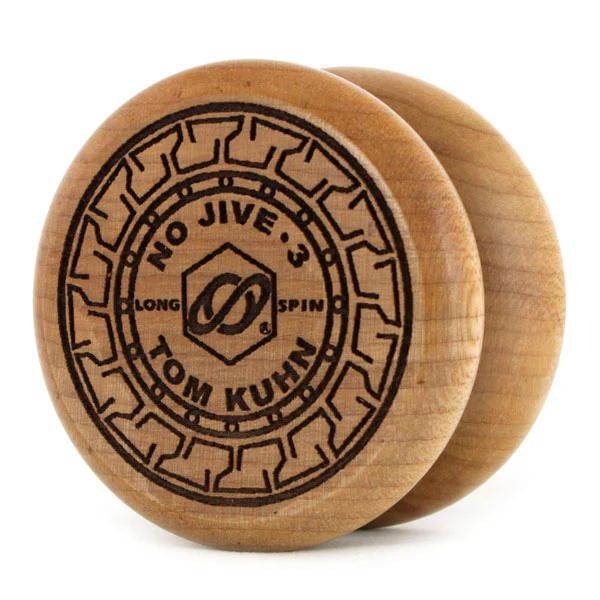
Traditional yo-yos relied on simpler axles, which limited how long they could spin.

Precision bearings changed the possibilities.

They allowed yo-yos to:

  • Spin for longer periods
  • Perform more complex tricks
  • Support advanced freestyle techniques
  • Reduce friction during play

Longer spin times gave players more opportunities to create intricate combinations.

The bearing transformed the yo-yo from a simple returning toy into a sophisticated performance instrument.

The Aluminum Revolution

The introduction of metal yo-yos represented another major turning point.

Aluminum designs brought new advantages:

  • Extreme precision
  • Better weight distribution
  • Increased durability
  • Improved performance consistency

Manufacturers could now create shapes and designs that were difficult or impossible with traditional materials.

Metal yo-yos became especially popular among advanced players because they provided the control needed for modern freestyle performance.

The yo-yo was no longer just manufactured.

It was engineered.

Designing for Balance and Performance

Modern yo-yo design involves careful attention to physics.

Small changes can significantly affect how a yo-yo behaves.

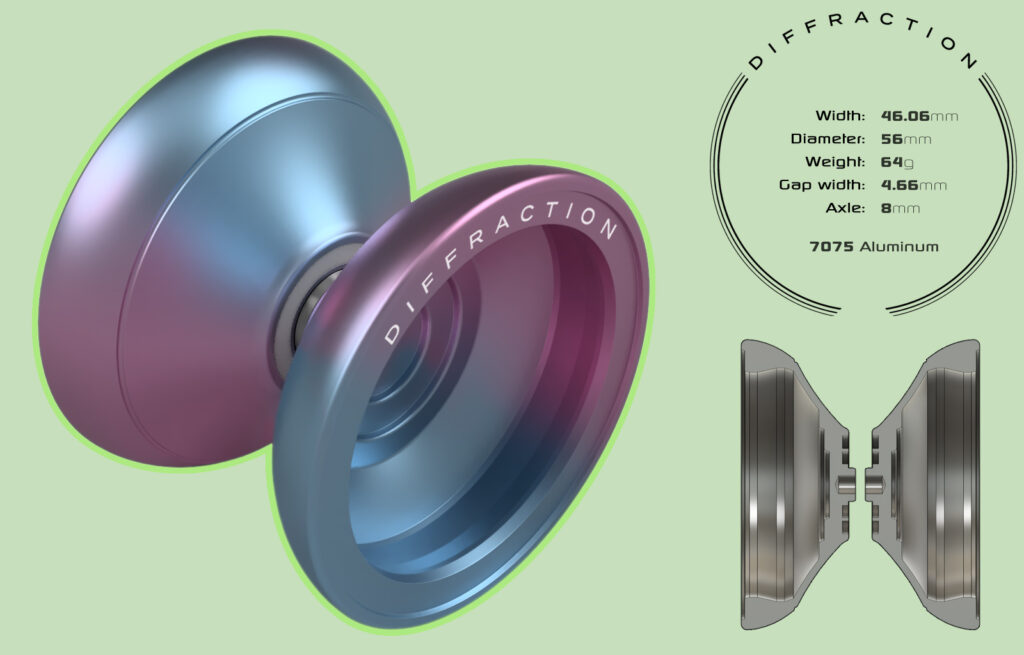
Designers consider factors such as:

  • Weight placement
  • Shape of the body
  • Width of the gap
  • Center of gravity
  • Rotational stability

A wider design may support certain string tricks.

A heavier rim may increase spin time.

A lighter body may improve speed and responsiveness.

Every design choice influences the player’s experience.

The Science Behind Spin Time

One of the most important goals of modern yo-yo design is maximizing spin performance.

A longer spin allows players to complete more advanced tricks before the yo-yo slows down.

Several factors influence spin time:

  • Weight distribution
  • Bearing quality
  • Manufacturing precision
  • Shape efficiency

Modern designs use engineering principles to maximize energy retention.

What appears to be a simple spinning object is actually a carefully calculated system.

Custom Designs and Artistic Expression

As yo-yo culture developed, design became a form of creativity.

Manufacturers began creating yo-yos with unique:

  • Shapes
  • Colors
  • Finishes
  • Materials
  • Limited editions

Collectors began appreciating yo-yos not only as tools but also as works of design.

A modern yo-yo can represent:

  • Engineering innovation
  • Artistic style
  • Brand identity
  • Cultural history

The object itself became part of the creative experience.

The Relationship Between Players and Designers

One of the most interesting parts of modern yo-yo evolution is the partnership between creators and users.

Players often influence design decisions by explaining:

  • What techniques they want to perform
  • What limitations they experience
  • What improvements would help

Designers respond by developing new solutions.

This collaboration creates a continuous cycle:

Players discover new possibilities.

Designers create better tools.

Better tools inspire new techniques.

The entire culture evolves together.

The Digital Age of Yo-Yo Design

Modern technology has accelerated the design process.

Today’s creators can use:

  • Computer modeling
  • Precision machining
  • Advanced manufacturing tools
  • Digital testing methods

These technologies allow designers to experiment with shapes and materials more quickly than ever before.

Ideas that once required extensive trial and error can now be developed with greater accuracy.

The result is faster innovation and more diverse equipment choices.

The Future of Yo-Yo Engineering

The evolution of yo-yo design is far from complete.

Future developments may include:

  • New lightweight materials
  • More advanced manufacturing methods
  • Greater customization options
  • Innovative mechanical systems

However, future designs will still be built around the same fundamental idea that has defined the yo-yo for centuries.

The goal remains the same:

Create a connection between human creativity and physical movement.

The Perfect Balance Between Tradition and Technology

The modern yo-yo represents an unusual combination of history and innovation.

It carries the legacy of ancient designs while incorporating advanced engineering.

A wooden yo-yo and a high-tech competition model may look completely different, but they share the same purpose: allowing people to explore movement, skill, and creativity.

The transformation from wood to precision-engineered performance tool shows how even the simplest objects can evolve when people continue asking one question:

What else is possible?

The answer has changed across generations, but the curiosity remains the same.

The yo-yo keeps spinning because people keep finding new ways to make it move.

The Brands That Built the Yo-Yo World: The Companies, Designers, and Innovators Who Shaped Generations of Players

The yo-yo may be powered by a player’s hand, but the evolution of yo-yo culture has been shaped by the people and companies behind the designs.

From early manufacturers that introduced the toy to millions of families to modern innovators creating precision instruments for professional competitors, yo-yo brands have played a crucial role in transforming a simple object into a global movement.

These companies did more than produce yo-yos.

They created communities, supported players, inspired creativity, and helped define different eras of yo-yo history.

The story of the yo-yo world is also the story of the designers and innovators who imagined new possibilities.

The Power of a Yo-Yo Brand

A successful yo-yo company does more than manufacture products.

It builds an identity.

The strongest brands connect with players through:

  • Innovative designs
  • Memorable products
  • Professional demonstrations
  • Community involvement
  • Support for competitions
  • Relationships with talented players

A great yo-yo brand becomes part of the culture surrounding the hobby.

Players remember not only the equipment they used but also the experiences connected to it—the first trick learned, the first competition attended, or the first advanced yo-yo that changed how they played.

The Companies That Created the Yo-Yo Boom

The early growth of modern yo-yo culture was driven by companies that understood the importance of excitement and storytelling.

These manufacturers recognized that a yo-yo was not simply a product sitting on a shelf. It was something people needed to see, experience, and share.

They helped popularize yo-yos through:

  • Demonstrations
  • Advertising campaigns
  • Trick instruction
  • Competitions
  • Traveling performers

These efforts turned the yo-yo into a cultural phenomenon.

The companies behind the boom created the foundation for the organized yo-yo communities that exist today.

The Importance of Branding and Identity

During major periods of yo-yo popularity, brands competed not only through product design but also through personality.

A successful brand created a feeling.

It represented:

  • Skill
  • Fun
  • Creativity
  • Challenge
  • Belonging

Players often developed loyalty to certain brands because the products represented their style and interests.

A yo-yo was never just a tool.

It was a statement about how someone approached the hobby.

Designers Become the New Innovators

As yo-yo play became more advanced, the role of the designer changed.

Early manufacturers focused primarily on making reliable toys.

Modern designers create specialized performance equipment.

They consider:

  • Weight distribution
  • Materials
  • Shape efficiency
  • Player feedback
  • Competition requirements

A modern yo-yo designer combines engineering knowledge with an understanding of how players actually use the equipment.

The best designs come from balancing technical performance with creative possibility.

The Rise of Independent Yo-Yo Companies

One of the biggest changes in modern yo-yo culture has been the growth of independent brands.

Small companies and individual designers have introduced new ideas and challenged traditional approaches.

Independent brands often focus on:

  • Experimental designs
  • Limited production runs
  • Player-driven development
  • Unique aesthetics
  • Direct community relationships

These companies helped create a more diverse yo-yo landscape where innovation could come from anywhere.

A single designer with a unique idea could influence the entire industry.

Player-Designed Yo-Yos

One of the most important developments in modern yo-yo history is the involvement of professional players in product design.

Competitive players understand the equipment from a unique perspective.

They know:

  • What feels comfortable during performance
  • What supports difficult tricks
  • What improvements matter most
  • What limitations need to be solved

Many influential designs have come from collaborations between players and manufacturers.

This partnership created a powerful cycle:

Players discover new techniques.

Designers create better tools.

Better tools allow even more creativity.

The Role of Innovation in Yo-Yo Evolution

Every major advancement in yo-yo design changed what players believed was possible.

Important innovations included:

  • Improved manufacturing precision
  • New materials
  • Advanced bearing systems
  • Competition-focused shapes
  • More efficient weight distribution

These developments allowed players to perform increasingly complex techniques.

The equipment did not create creativity, but it expanded the possibilities available to creative players.

Brands That Supported Competitive Yo-Yo Culture

Competitive yo-yoing grew because companies invested in the community around it.

Support from brands helped create:

  • Sponsorship opportunities
  • Professional teams
  • Tournament involvement
  • Player promotion
  • Educational content

Sponsored players became ambassadors for the hobby.

They demonstrated what was possible and inspired new generations to begin playing.

The relationship between brands and competitors helped elevate yo-yoing from a casual activity into a recognized performance discipline.

The Art Behind Yo-Yo Design

Modern yo-yos are not only technical objects.

They are also expressions of creativity.

Designers experiment with:

  • Colors
  • Finishes
  • Shapes
  • Visual themes
  • Materials

Some yo-yos become collectible pieces because of their craftsmanship and uniqueness.

For collectors and enthusiasts, the design itself tells a story.

A yo-yo can represent a particular era, designer, competition moment, or creative movement.

Building More Than Products: Building Communities

The most influential yo-yo companies understand that their success depends on the strength of the community.

They contribute by:

  • Supporting beginners
  • Encouraging creativity
  • Sharing knowledge
  • Promoting events
  • Celebrating players

A strong community creates long-term interest.

A strong brand helps that community grow.

The relationship between companies and players is one of the reasons yo-yo culture has remained active across generations.

The Global Impact of Yo-Yo Innovation

Yo-yo brands have helped transform a simple toy into a worldwide creative movement.

Through better designs, stronger communities, and support for players, they have connected enthusiasts across different countries and cultures.

A player anywhere in the world can now access advanced equipment, learn from experts, and participate in a global conversation.

The yo-yo industry has become a network of creators rather than just manufacturers.

The Future of Yo-Yo Brands

The next generation of yo-yo companies will continue exploring new possibilities.

Future innovation may come from:

  • New materials
  • More sustainable manufacturing
  • Custom designs
  • Digital communities
  • New performance styles

But the most successful brands will continue following the same principle that shaped the industry from the beginning:

Understand the player.

Support creativity.

Create tools that inspire movement.

The People Behind the Spin

The history of yo-yo brands is not only about companies or products.

It is about the people who turned designs into experiences.

Manufacturers created opportunities.

Designers solved problems.

Players pushed boundaries.

Communities gave everything meaning.

Together, they transformed a simple object into a global culture built around creativity and connection.

The yo-yo world continues to evolve because innovators keep asking the same question:

How can this simple object do something new?

Every new design, every new player, and every new idea adds another chapter to a story that has been spinning for generations.

Why We Never Outgrew the Yo-Yo: The Psychology of Play and Creativity

Some toys disappear with time. They belong to a specific generation, a specific trend, or a specific moment in popular culture.

The yo-yo is different.

For thousands of years, people have been drawn to the simple act of controlling a spinning object on a string. Children discover it. Adults return to it. Experienced players spend years mastering it. Across generations and cultures, the yo-yo continues to inspire curiosity, challenge, and creativity.

Its lasting appeal is not just about nostalgia.

The yo-yo connects with something deeper in human psychology: the desire to learn, create, improve, and transform simple actions into meaningful achievements.

A yo-yo is a small object, but it offers an endless journey.

The Power of Simple Design

One of the biggest reasons the yo-yo remains fascinating is its elegant simplicity.

The basic design is easy to understand:

  • Throw the yo-yo
  • Control its movement
  • Return it to your hand
  • Discover new possibilities

There is no complicated setup, no instruction manual required, and no barrier between the person and the experience.

This simplicity creates immediate curiosity.

A beginner can understand the basic action within seconds, but mastery can take years.

That balance is rare.

The yo-yo welcomes everyone while still challenging the most dedicated players.

The Psychology of Learning Through Play

Play is one of the most important ways humans learn.

From childhood onward, play helps develop:

  • Coordination
  • Problem-solving
  • Creativity
  • Confidence
  • Persistence

The yo-yo naturally encourages this learning process.

Every failed attempt provides information.

Every successful trick provides motivation.

Players constantly adjust their technique, experiment with new approaches, and discover what works.

The process itself becomes rewarding.

The Satisfaction of Small Victories

A major reason people become attached to the yo-yo is the feeling of progress.

Learning a new trick often follows a familiar pattern:

  1. The movement seems impossible.
  2. Practice begins.
  3. Small improvements appear.
  4. The trick finally works.
  5. A new challenge begins.

This cycle creates a powerful sense of achievement.

The player is not simply watching entertainment happen.

They are creating improvement through their own effort.

That personal connection makes success feel meaningful.

The Endless Challenge of Mastery

Many toys are designed to be completed.

The yo-yo is different.

There is no final level.

There is always:

  • Another trick to learn
  • Another combination to create
  • Another style to explore
  • Another way to improve

This endless progression keeps the activity engaging.

A beginner and a world-class competitor can both enjoy the same object because they experience completely different challenges.

The yo-yo adapts to the skill level of the player.

Creativity Through Constraints

One of the most interesting aspects of the yo-yo is that creativity comes from limitations.

The player has only:

  • A string
  • A spinning object
  • Their own movement

Yet within those boundaries, endless possibilities exist.

This is similar to other creative disciplines.

A musician works within notes.

A painter works within a canvas.

A dancer works within physical movement.

A yo-yo player works within physics and transforms those limitations into expression.

The boundaries do not reduce creativity.

They inspire it.

The Connection Between Body and Object

The yo-yo creates a unique relationship between a person and a physical object.

Unlike many modern forms of entertainment, it requires direct participation.

The player must use:

  • Timing
  • Touch
  • Coordination
  • Awareness
  • Control

The object responds immediately.

A small change in movement creates a different result.

This physical feedback creates a strong sense of connection.

The yo-yo becomes almost like an extension of the player’s own movement.

Why Repetition Feels Rewarding

At first, repeating the same trick may seem boring.

But repetition is actually a fundamental part of skill development.

Practice allows the brain and body to build familiarity.

Over time:

  • Movements become smoother
  • Timing improves
  • Confidence increases
  • Creativity expands

The satisfaction comes from noticing progress.

The same trick that once seemed impossible eventually becomes natural.

This transformation is one of the most rewarding parts of learning.

The Role of Flow

Psychologists often describe a state called “flow”—a moment when a person becomes deeply focused on an activity.

Yo-yoing naturally creates opportunities for flow.

During practice or performance, players often experience:

  • Complete concentration
  • Awareness of movement
  • Reduced distraction
  • A sense of rhythm
  • Deep engagement

Freestyle yo-yoing especially highlights this experience.

A player is not just performing tricks.

They are entering a state where movement, timing, and creativity work together.

The Social Psychology of Sharing Skills

The yo-yo has always been a social object.

People naturally want to share what they learn.

A new trick creates an opportunity to:

  • Teach someone else
  • Challenge a friend
  • Join a community
  • Gain recognition

This sharing creates connection.

A player does not simply improve alone—they become part of a larger tradition.

Communities grow because people enjoy both learning and helping others learn.

Nostalgia and Generational Connection

The yo-yo has a unique ability to connect different generations.

A parent can teach a child the same basic movement they learned years earlier.

A classic trick can bring back memories instantly.

But nostalgia alone does not explain the yo-yo’s survival.

Many old toys create memories but fail to remain relevant.

The yo-yo continues because each generation adds something new.

It carries history while allowing constant reinvention.

The Appeal of Physical Creativity in a Digital World

As technology becomes more central to daily life, physical hobbies offer something increasingly valuable.

The yo-yo provides:

  • Hands-on interaction
  • Visible progress
  • Creative control
  • A break from passive entertainment

It requires presence.

The player must focus on what is happening in the moment.

This direct connection may be one reason physical skill hobbies continue attracting new audiences.

Why the Yo-Yo Inspires Artists and Athletes

The modern yo-yo exists somewhere between sport and art.

It requires athletic abilities such as:

  • Precision
  • Coordination
  • Endurance
  • Control

But it also encourages artistic qualities:

  • Originality
  • Style
  • Expression
  • Creativity

This combination allows different types of people to find meaning in the hobby.

Some enjoy competition.

Others enjoy performance.

Others simply enjoy the satisfaction of creating something new.

The Future of Play and Creativity

The yo-yo’s continued popularity reveals something important about human nature.

People are naturally drawn to activities that allow them to:

  • Learn
  • Improve
  • Create
  • Share
  • Express themselves

Technology may change how people play, but these fundamental desires remain constant.

The yo-yo succeeds because it satisfies those needs with remarkable simplicity.

The Small Object With Endless Possibilities

The reason we never truly outgrow the yo-yo is that it was never just a toy.

It is a challenge.

It is a creative tool.

It is a connection between movement and imagination.

A simple throw can become a trick.

A trick can become a performance.

A performance can become an art form.

The yo-yo continues to fascinate because it reflects something universal: the human desire to take something ordinary and discover what extraordinary things can be created with it.

As long as people enjoy learning, experimenting, and creating, the yo-yo will continue to spin.